

Lynne Watts
Author & Counselor
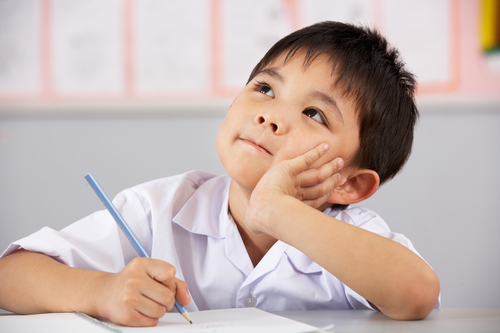
What Is Self-Talk and Why Does It Matter?
Every child has an inner voice—the thoughts that run through their minds as they navigate daily challenges, emotions, and relationships. Self-talk can be a powerful tool for emotional regulation, but it can also lead to distress when it becomes overwhelming or negative. While reading Chatter: The Voice in Our Head and Why It Matters by Ethan Kross, I learned a lot about how school counselors can teach students to manage self-talk, particularly through distanced self-talk.
Distanced vs. Immersive Self-Talk: What’s the Difference?
In the book, Kross identifies two forms of self-talk. Understanding the distinction can help children use it effectively.
-
Immersive Self-Talk: This is when a child speaks to themselves using “I” statements, as if they are fully inside the situation. For example, a child struggling with a test might think, “I’m so bad at this. I’ll never understand it.”
-
Distanced Self-Talk: This occurs when a child speaks to themselves as if they are an outsider looking in. They may use their own name or “you” statements, such as, “Emma, you can do this. You’ve practiced before and did great last time.” Note in this example the child actually talks to themself by name. This has been shown by research to be particularly effective in helping the child think of a situation as challenging rather than stressful, a subtle but significant difference.
The Benefits of Distanced Self-Talk
Research shows that distanced self-talk helps children regulate emotions, gain perspective, and make better decisions. It creates psychological space between the child and their feelings, making challenges seem more manageable.
-
Coping with Challenges – Encouraging children to address themselves by name (e.g., “Liam, you can figure this out!”) helps them adopt a coaching mindset rather than a critical one.
-
Managing Emotions – When a child is upset, guiding them to use distanced self-talk (e.g., “Why is Olivia feeling this way? What can she do to feel better?”) promotes emotional awareness and self-soothing.
-
Processing Grief and Loss – Children dealing with loss can feel overwhelmed by emotions. Encouraging them to narrate their feelings with a bit of distance (e.g., “Ben, it’s okay to feel sad. What can help you remember the happy times?”) allows them to honor their emotions while maintaining control.
How to Explain Self-Talk to Young Children
When introducing the concept of self-talk to elementary students, it’s helpful to use simple metaphors and engaging activities:
-
“The Coach in Your Head” – Explain that everyone has a little coach inside their mind who can either cheer them on or make them feel nervous. Using their own name helps them be their own best coach!
-
“The Movie of You” – Ask children to imagine watching a movie of themselves. If their best friend was the main character feeling sad, what would they say to encourage them? This teaches distanced self-talk in a relatable way.
-
“Talk Like a Superhero” – Superheroes talk to themselves with confidence! Encourage children to try saying their name in a positive way when facing a tough situation.
Practical Strategies for Counselors
-
Model Distanced Self-Talk – When speaking with students, counselors can demonstrate this technique: “Hmm, what should Ms. Taylor do when she feels nervous? She should take a deep breath and think of a plan!”
-
Role-Playing – Act out different situations where a child might use immersive vs. distanced self-talk and discuss which feels more helpful.
-
Self-Talk Journals – Have children write down thoughts in both immersive and distanced formats to see the difference in how they feel.
-
Mindfulness and Breathing – Pair self-talk with deep breathing or visualization to reinforce calming effects.
Counselor Resources:
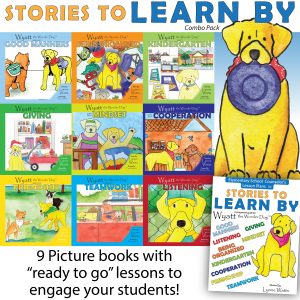
Wyatt’s Stories to Learn By Combo Pack
About Lynne Watts
Lynne Watts is a veteran elementary school counselor and the creator of the Wyatt the Wonder Dog series. Her mission is to provide educators with engaging, child-friendly tools that build character and social-emotional skills in the classroom.

Don’t Give Up Yet! Teaching Kids to Manage Frustration
Focus Power: 7 Simple Ways to Help Kids Improve Attention

Stop–Think–Choose: A Simple Impulse Control Strategy for Elementary Students
Better Behavior Plans: A Guide for School Counselors
Healthy Friendships: Boundaries Every Child Should Know

Friendship Problems? 7 Skills Kids Need to Solve Conflicts
How to Make Friends: 3 Simple Skills Every Child Needs

Everyone Belongs: 10 Ways Kids Can Be a Belonging Builder

The Friendship Formula: 7 Qualities of a Great Friend
Creating a Culture of Creativity at School
Teaching Kids to Think Creatively: 7 Strategies for Elementary School Counselors

Think Outside the Box: Teaching Creative Thinking Skills to Elementary Students

Critical Thinking Activities for Elementary School Counselors
Critical Thinking: Helping Students Think, Not Just Answer

School Counselor Self-Care: 5 Essential Ways to Renew Your Energy and Avoid Burnout

Start Strong: Five Ways Counselors Plan for a Fantastic School Year
The Science of Encouragement: What Elementary School Counselors Need to Know About Positive and Negative Comments
Using Journals in Elementary School Counseling: Simple Strategies for Big Emotional Learning

Unlocking Resilience: How Curiosity Builds Stronger, Braver Elementary Students

Caring for the Caregiver: Self-Care Strategies for Counselors During Stressful Times

School Counselor Conference Success: Tips for Learning, Networking, and Growth
Journaling for Kids: Prompts that Build Emotional Growth and Confidence

The Burnout Fix for School Counselors: How to Set Healthy Boundaries Without Guilt

School Counseling and Burnout: Why Boundaries Matter More Than Ever

Prepared to Lead: Teaching Elementary Students the Power of Being Ready

Journaling : A Powerful School Counseling Tool for Emotional Growth and Self-Reflection

Why Boredom Is Good for Kids: A School Counselor’s Guide to Building Creativity and Independence
From Overwhelmed to Empowered: Practical Burnout Solutions for School Counselors

From ‘I Have to Get It Right’ to ‘I Can Try Again’: Tackling Perfectionism in Kids

Teaching Kids to Get Better at Getting Along

Improve Communication Skills and Resolve Conflicts with Kids

The Power of Storytelling in Elementary Counseling: Helping Kids Learn Life Skills That Stick