

Lynne Watts
Author & Counselor
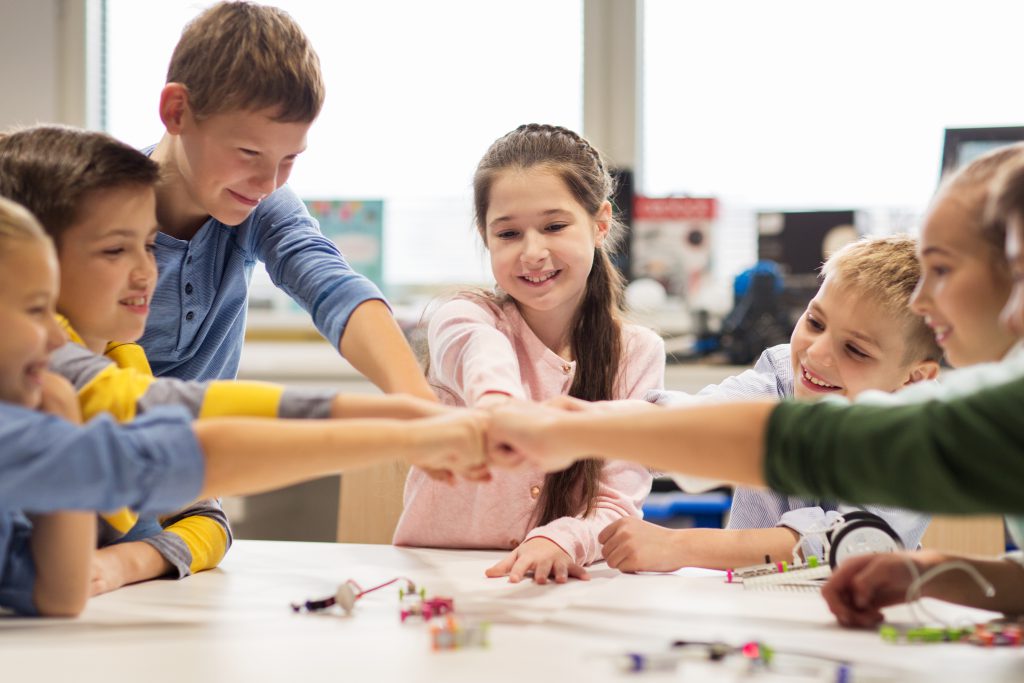
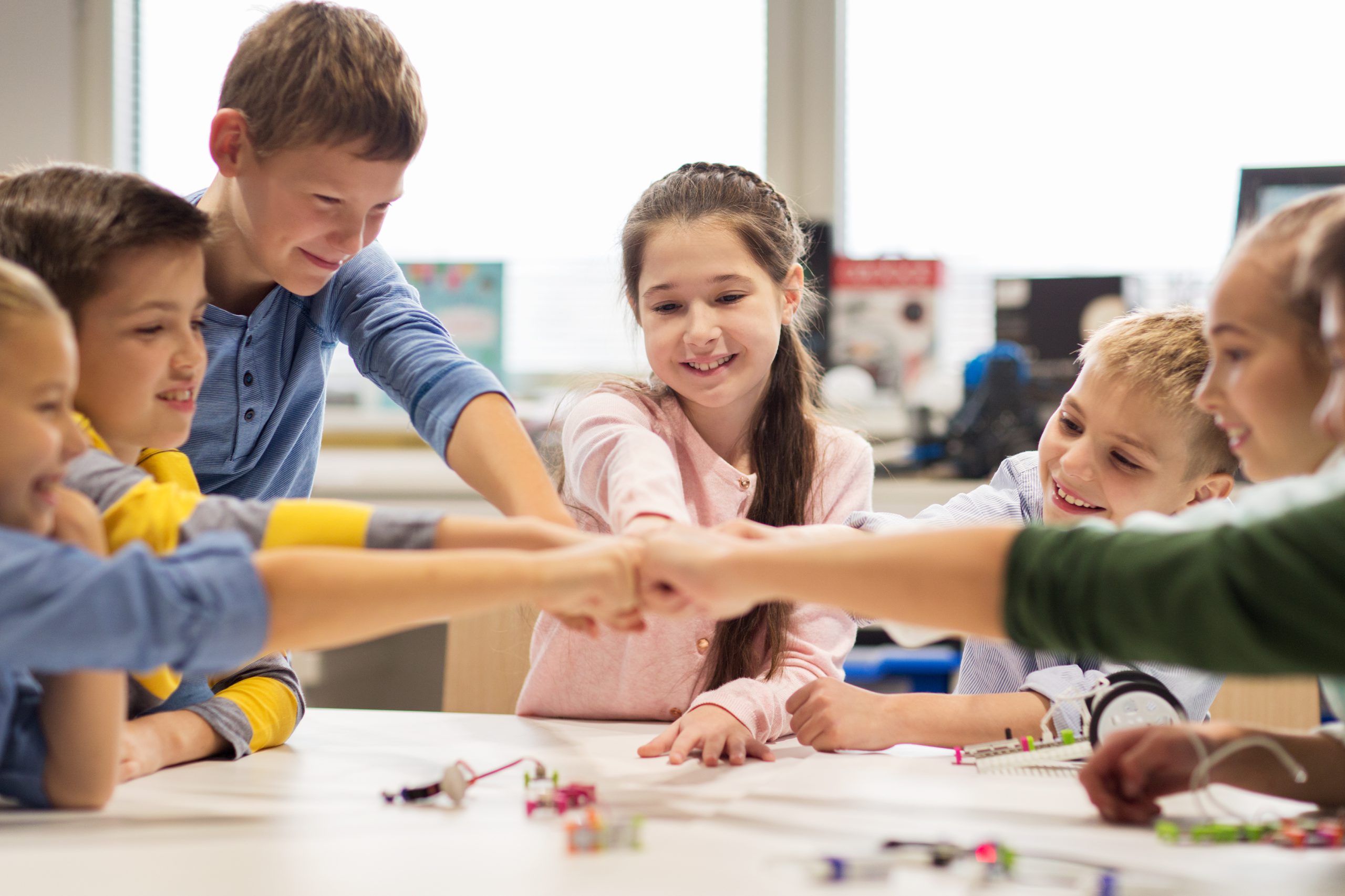
Children sometimes think being a good friend means always saying yes, always playing together, or never disagreeing. Healthy friendships don’t work that way.
1. What Does a Healthy Friendship Look Like?
Healthy friends:
- Respect each other’s feelings.
- Allow each other to have other friends.
- Listen to one another.
- Share and take turns.
- Respect personal space.
- Accept differences.
- Can disagree respectfully.
- Encourage each other.
2. Teach Children That It’s OK to Say No
Give students simple phrases:
- “No, thank you.”
- “I’d rather not.”
- “I don’t want to do that.”
- “Please stop.”
- “I need some space.”
3. Friendship Does Not Mean Ownership
Help students understand:
“You can be my friend and still have other friends.”
This is particularly important when students experience jealousy or exclusion.
4. Healthy Friends Respect Boundaries
Discuss examples of healthy versus unhealthy behaviors.
Healthy:
“Can I sit with you?”
Unhealthy:
“You can’t sit with anyone else.”
Healthy:
“I don’t want to play that game today.”
Unhealthy:
“If you don’t play my game, I’m not your friend.”
Counselor Activity: Healthy or Not Healthy?
Read different friendship statements and have students identify whether each demonstrates a Healthy Friendship, Needs Some Work, or Not a Healthy Friendship.
Examples:
- “My friend listens when I have something to say.”
- “My friend gets angry whenever I play with someone else.”
- “My friend lets me say no.”
- “My friend makes fun of me when other kids are around.”
- “We can disagree and still be friends.”
- “My friend tells me I have to keep secrets from adults.”
Picture-Book Recommendations
- Enemy Pie by Derek Munson
- Chrysanthemum by Kevin Henkes
- Wyatt Learns about Good Manners by Lynne Watts
- Wyatt Learns about Cooperation by Lynne Watts
Click here to watch video
About Lynne Watts
Lynne Watts is a veteran elementary school counselor and the creator of the Wyatt the Wonder Dog series. Her mission is to provide educators with engaging, child-friendly tools that build character and social-emotional skills in the classroom.
Teaching Forgiveness to Help Children Resolve Conflicts and Repair Friendships
5 Simple School Counseling Activities to Help Students Understand Others
Easy Kindness Countdown SEL Activity School Counselors Can Use in December

Simple Ways School Counselors Can Help Students Learn to Give

Don’t Give Up Yet! Teaching Kids to Manage Frustration
Focus Power: 7 Simple Ways to Help Kids Improve Attention

Stop–Think–Choose: A Simple Impulse Control Strategy for Elementary Students
Better Behavior Plans: A Guide for School Counselors
Healthy Friendships: Boundaries Every Child Should Know

Friendship Problems? 7 Skills Kids Need to Solve Conflicts
How to Make Friends: 3 Simple Skills Every Child Needs
Everyone Belongs: 10 Ways Kids Can Be a Belonging Builder

The Friendship Formula: 7 Qualities of a Great Friend

Creating a Culture of Creativity at School
Teaching Kids to Think Creatively: 7 Strategies for Elementary School Counselors

Think Outside the Box: Teaching Creative Thinking Skills to Elementary Students

Critical Thinking Activities for Elementary School Counselors
Critical Thinking: Helping Students Think, Not Just Answer

School Counselor Self-Care: 5 Essential Ways to Renew Your Energy and Avoid Burnout

Start Strong: Five Ways Counselors Plan for a Fantastic School Year
The Science of Encouragement: What Elementary School Counselors Need to Know About Positive and Negative Comments
Using Journals in Elementary School Counseling: Simple Strategies for Big Emotional Learning

Unlocking Resilience: How Curiosity Builds Stronger, Braver Elementary Students

Caring for the Caregiver: Self-Care Strategies for Counselors During Stressful Times

School Counselor Conference Success: Tips for Learning, Networking, and Growth
Journaling for Kids: Prompts that Build Emotional Growth and Confidence

The Burnout Fix for School Counselors: How to Set Healthy Boundaries Without Guilt

School Counseling and Burnout: Why Boundaries Matter More Than Ever

Prepared to Lead: Teaching Elementary Students the Power of Being Ready

Journaling : A Powerful School Counseling Tool for Emotional Growth and Self-Reflection

Why Boredom Is Good for Kids: A School Counselor’s Guide to Building Creativity and Independence
From Overwhelmed to Empowered: Practical Burnout Solutions for School Counselors