

Lynne Watts
Author & Counselor

Every child wants to have friends, but children aren’t automatically born knowing how to be a good friend. Friendship is a skill that can be taught, practiced, and strengthened. Here’s how:
1. What Makes Someone a Good Friend?
Introduce seven friendship qualities:
- Kindness
- Listening
- Empathy
- Honesty
- Respect
- Cooperation
- Encouragement
2. Being a Good Friend Is More Than Being Nice
Explain that healthy friendship also involves listening, respecting boundaries, solving problems, and accepting differences.
3. Help Students Recognize Friendship Behaviors
Discuss the difference between:
- “A friend makes me feel included.”
- “A friend listens to me.”
- “A friend respects my ideas.”
- “A friend can disagree with me without being mean.”
4. Teach Friendship Skills Explicitly
Counselors can model and role-play friendship behaviors rather than simply telling children to “be nice.”
Counselor Activity: The Friendship Recipe
Give students a paper shaped like a recipe card.
A Great Friendship Recipe
- 2 cups of __________
- 1 cup of __________
- 3 spoonfuls of __________
- A pinch of __________
- Mix together with __________
Students identify the qualities they believe are necessary for a strong friendship.
Discussion:
“What happens if we leave out one important ingredient?”
Picture-Book Recommendations
- Enemy Pie by Derek Munson
- The Invisible Boy by Trudy Ludwig
- Strictly No Elephants by Lisa Mantchev
- Wyatt Learns about Friendship by Lynne Watts
Click here to watch video
About Lynne Watts
Lynne Watts is a veteran elementary school counselor and the creator of the Wyatt the Wonder Dog series. Her mission is to provide educators with engaging, child-friendly tools that build character and social-emotional skills in the classroom.

Teaching Forgiveness to Help Children Resolve Conflicts and Repair Friendships

5 Simple School Counseling Activities to Help Students Understand Others

Easy Kindness Countdown SEL Activity School Counselors Can Use in December

Simple Ways School Counselors Can Help Students Learn to Give

Don’t Give Up Yet! Teaching Kids to Manage Frustration

Focus Power: 7 Simple Ways to Help Kids Improve Attention

Stop–Think–Choose: A Simple Impulse Control Strategy for Elementary Students

Better Behavior Plans: A Guide for School Counselors

Healthy Friendships: Boundaries Every Child Should Know

Friendship Problems? 7 Skills Kids Need to Solve Conflicts
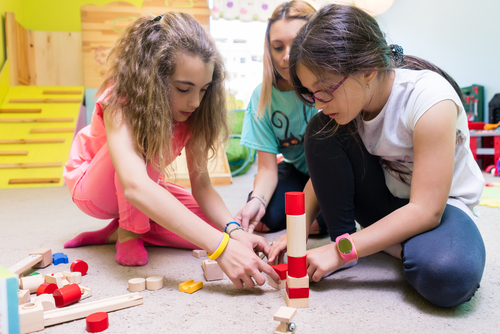
How to Make Friends: 3 Simple Skills Every Child Needs

Everyone Belongs: 10 Ways Kids Can Be a Belonging Builder
The Friendship Formula: 7 Qualities of a Great Friend

Creating a Culture of Creativity at School
Teaching Kids to Think Creatively: 7 Strategies for Elementary School Counselors

Think Outside the Box: Teaching Creative Thinking Skills to Elementary Students

Critical Thinking Activities for Elementary School Counselors
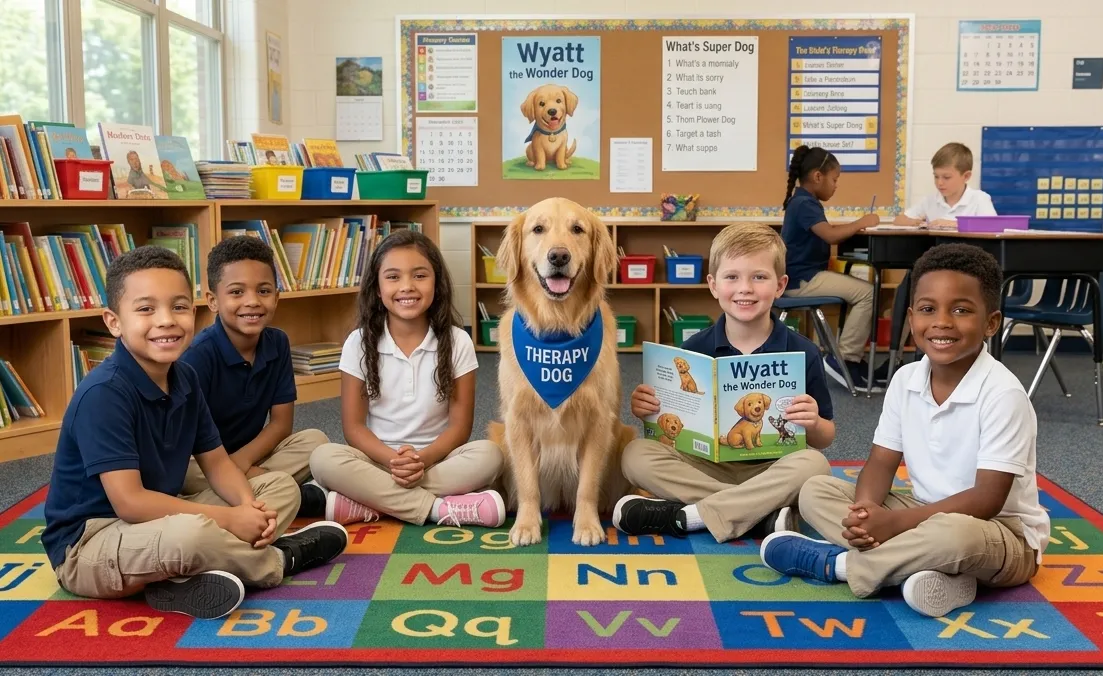
Critical Thinking: Helping Students Think, Not Just Answer

School Counselor Self-Care: 5 Essential Ways to Renew Your Energy and Avoid Burnout

Start Strong: Five Ways Counselors Plan for a Fantastic School Year

The Science of Encouragement: What Elementary School Counselors Need to Know About Positive and Negative Comments

Using Journals in Elementary School Counseling: Simple Strategies for Big Emotional Learning

Unlocking Resilience: How Curiosity Builds Stronger, Braver Elementary Students

Caring for the Caregiver: Self-Care Strategies for Counselors During Stressful Times

School Counselor Conference Success: Tips for Learning, Networking, and Growth

Journaling for Kids: Prompts that Build Emotional Growth and Confidence

The Burnout Fix for School Counselors: How to Set Healthy Boundaries Without Guilt

School Counseling and Burnout: Why Boundaries Matter More Than Ever

Prepared to Lead: Teaching Elementary Students the Power of Being Ready

Journaling : A Powerful School Counseling Tool for Emotional Growth and Self-Reflection

Why Boredom Is Good for Kids: A School Counselor’s Guide to Building Creativity and Independence
From Overwhelmed to Empowered: Practical Burnout Solutions for School Counselors