

Lynne Watts
Author & Counselor

Teaching kids to get along together
You’ve got two kids who disagree and fight constantly…
Yet they seem attracted to each other like magnets…
You’ve talked to them
You’ve threatened them
You’ve separated them… repeatedly.
What’s the answer?
We’ve all been in this situation before as educators and parents; two kids who just can’t get along but who somehow manage to always wind up together and arguing no matter what you do. I recently responded to a question much like this on the ASCA forum from a school counselor who was at her wits end with a similar situation. Here was my answer:
Helping Kids Learn to Get Along
I’m going to suggest something that is probably counter intuitive and outside the box. However, I have found that when you try to enforce a separation strategy, that it takes a great deal of energy since the students challenge the boundaries at every possible chance. It is much like trying to fight the resistance of two magnets. There is a better strategy. Yes, it involves a good bit of time but it is all designed to not only prevent future disagreements, but teach the kids involved how to handle any disagreement in the future. Clearly they need that kind of training. Plus… you are spending a ton of time trying to keep them apart and putting out fires anyway. Why not invest the time in teaching new skills?
Here’s the plan:
Re-frame the problem as two friends who want to enjoy each other but don’t know how to resolve conflicts. I would perhaps use the analogy of two carpenters who are trying to build something but who show up for the job with the wrong tools. They need a hammer and nails and instead they brought a chain saw and a screwdriver so what they try to build results in a lot of frustration. You are going to teach them the right tools for building a friendship.
Begin with a commitment from each of them to do the work necessary to improve their friendship. Then back track with them to their latest incident. What started the conflict? Who said and did what? Write it down as though it was a role-play… you could even have them act it out while you write it down, stopping them after each statement. (Pausing should keep emotions low).
Create a list of conflict rules: No name calling. No blaming. No yelling. Think before you speak. Treat others as you would like to be treated… etc.
Develop a new dialogue: Now working with the students at each point in the latest conflict, have them suggest what they could have said that would have followed the rules and built rather than damaged the relationship. Have them act it out and describe how they feel at the end.
Anticipate the future: Have the students brainstorm situations that could create problems again. Review things they can say and do to prevent problems. Have them practice and role-play the situations so they are prepared.
Follow up: Check back on a regular basis to mediate any problems, reinforce what they have learned and encourage them to continue good practices. Review the rules and repeat the role-playing of situations as necessary until they learn better habits and strategies. Congratulate them on taking the time to learn to be great friends. Once they are successful ask them to help others who are having friendship conflicts and teach them what they have learned.
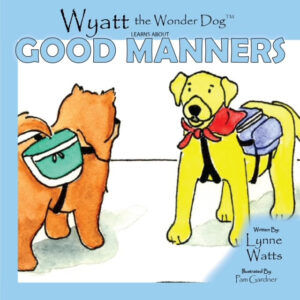
Wyatt Learns about Good Manners
Wyatt is always wondering about something and lately it is how to get his friend, Max to change his bossy ways. What can he do? Join Wyatt as he considers some rather unusual options until he finally discovers that a heart to heart talk with Max can create a new friendship with an old friend.
Have you ever had a friend that did some things that you disagreed with? Wyatt does and he doesn’t know what to do about it. Join Wyatt as he learns that being honest with his friend is the best and only way to solve the problem. A great story!
~Lynn Hughes M.Ed. professional school counselor, Ball Ground Elementary
Wyatt the Wonder Dog: Learns About Good Manners
Watch Video Here
About Lynne Watts
Lynne Watts is a veteran elementary school counselor and the creator of the Wyatt the Wonder Dog series. Her mission is to provide educators with engaging, child-friendly tools that build character and social-emotional skills in the classroom.

Don’t Give Up Yet! Teaching Kids to Manage Frustration
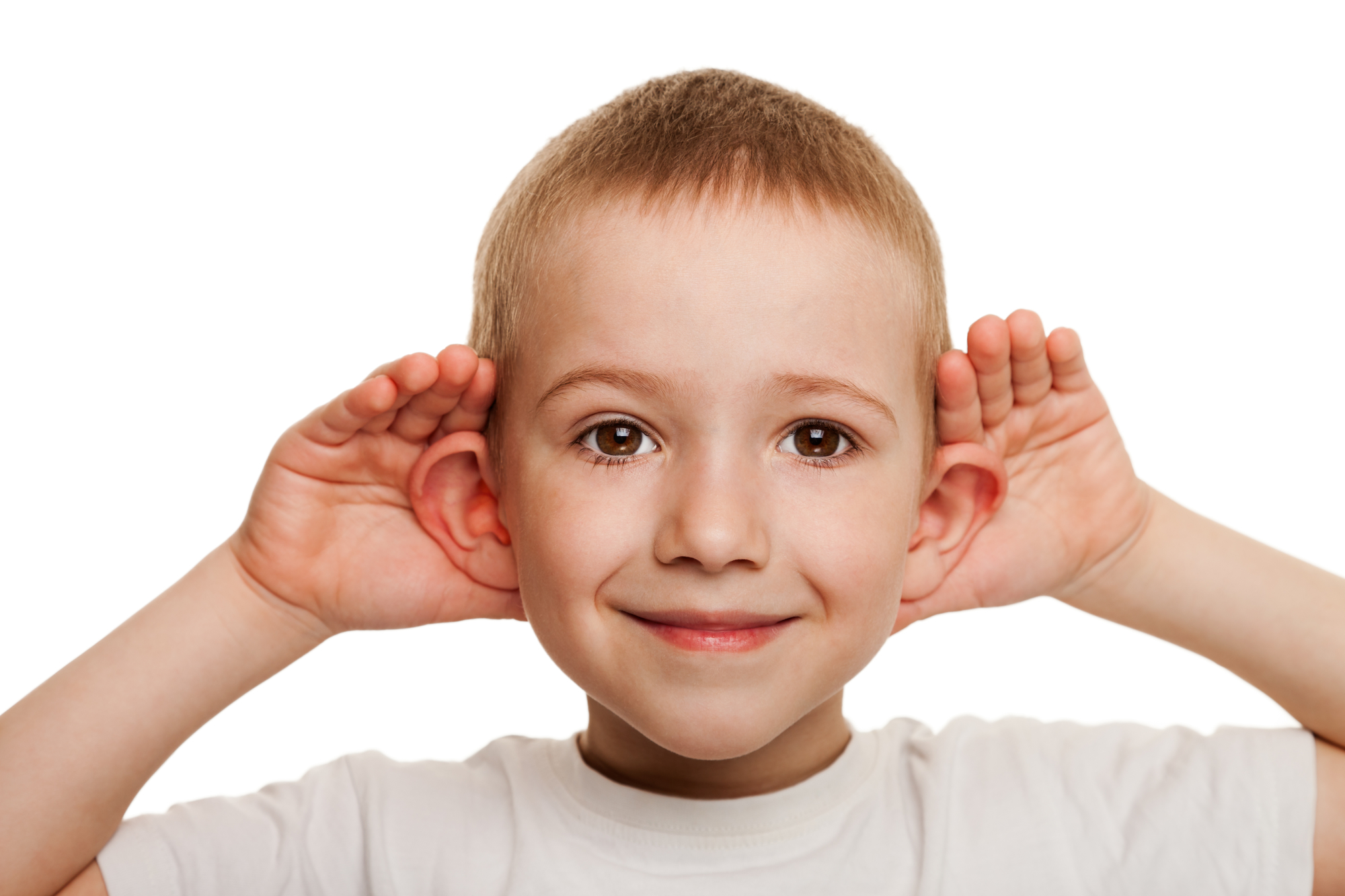
Focus Power: 7 Simple Ways to Help Kids Improve Attention

Stop–Think–Choose: A Simple Impulse Control Strategy for Elementary Students
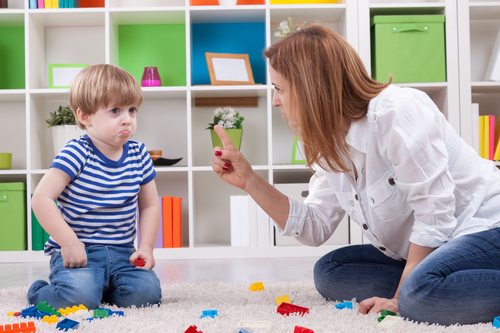
Better Behavior Plans: A Guide for School Counselors
Healthy Friendships: Boundaries Every Child Should Know

Friendship Problems? 7 Skills Kids Need to Solve Conflicts
How to Make Friends: 3 Simple Skills Every Child Needs

Everyone Belongs: 10 Ways Kids Can Be a Belonging Builder

The Friendship Formula: 7 Qualities of a Great Friend
Creating a Culture of Creativity at School
Teaching Kids to Think Creatively: 7 Strategies for Elementary School Counselors

Think Outside the Box: Teaching Creative Thinking Skills to Elementary Students

Critical Thinking Activities for Elementary School Counselors
Critical Thinking: Helping Students Think, Not Just Answer

School Counselor Self-Care: 5 Essential Ways to Renew Your Energy and Avoid Burnout

Start Strong: Five Ways Counselors Plan for a Fantastic School Year

The Science of Encouragement: What Elementary School Counselors Need to Know About Positive and Negative Comments
Using Journals in Elementary School Counseling: Simple Strategies for Big Emotional Learning

Unlocking Resilience: How Curiosity Builds Stronger, Braver Elementary Students

Caring for the Caregiver: Self-Care Strategies for Counselors During Stressful Times

School Counselor Conference Success: Tips for Learning, Networking, and Growth
Journaling for Kids: Prompts that Build Emotional Growth and Confidence

The Burnout Fix for School Counselors: How to Set Healthy Boundaries Without Guilt

School Counseling and Burnout: Why Boundaries Matter More Than Ever

Prepared to Lead: Teaching Elementary Students the Power of Being Ready

Journaling : A Powerful School Counseling Tool for Emotional Growth and Self-Reflection

Why Boredom Is Good for Kids: A School Counselor’s Guide to Building Creativity and Independence
From Overwhelmed to Empowered: Practical Burnout Solutions for School Counselors

From ‘I Have to Get It Right’ to ‘I Can Try Again’: Tackling Perfectionism in Kids
Teaching Kids to Get Better at Getting Along

Improve Communication Skills and Resolve Conflicts with Kids

The Power of Storytelling in Elementary Counseling: Helping Kids Learn Life Skills That Stick