

Lynne Watts
Author & Counselor

About Lynne Watts
Lynne Watts is a veteran elementary school counselor and the creator of the Wyatt the Wonder Dog series. Her mission is to provide educators with engaging, child-friendly tools that build character and social-emotional skills in the classroom.

Stop–Think–Choose: A Simple Impulse Control Strategy for Elementary Students
Have you ever watched a student react to a situation almost before they had time ...
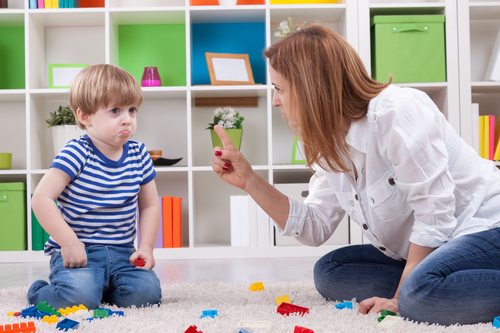
Better Behavior Plans: A Guide for School Counselors
I once was counseling the parents of a child who didn’t want to come to ...

Healthy Friendships: Boundaries Every Child Should Know
Children sometimes think being a good friend means always saying yes, always playing together, or ...

Friendship Problems? 7 Skills Kids Need to Solve Conflicts
“I don’t want to be his friend anymore!” School counselors hear this statement regularly. Friendship ...
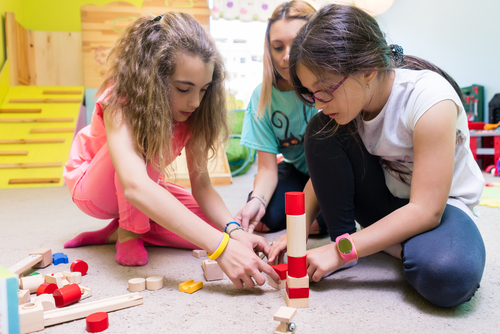
How to Make Friends: 3 Simple Skills Every Child Needs
For some children, making friends seems easy. For others, walking up to another child and ...

Everyone Belongs: 10 Ways Kids Can Be a Belonging Builder
A child can be surrounded by classmates and still feel completely alone. Creating a sense ...

The Friendship Formula: 7 Qualities of a Great Friend
Every child wants to have friends, but children aren’t automatically born knowing how to be ...

Creating a Culture of Creativity at School
Teaching creative thinking shouldn’t be limited to one counseling lesson. Schools can create an environment ...
Teaching Kids to Think Creatively: 7 Strategies for Elementary School Counselors
Fortunately, creative thinking is not a skill reserved for naturally artistic or imaginative children. It ...

Think Outside the Box: Teaching Creative Thinking Skills to Elementary Students
In a world filled with artificial intelligence, smartphones, search engines, streaming entertainment, and instant answers, ...

Critical Thinking Activities for Elementary School Counselors
Very young children often ask a million questions, so many that as adults we can ...
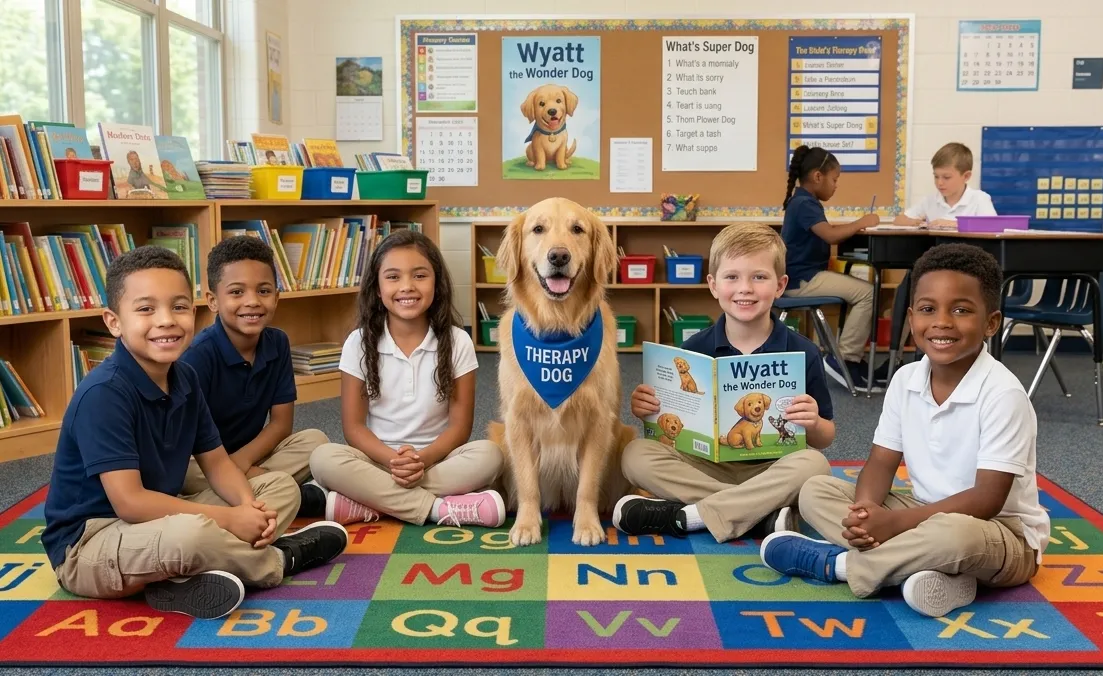
Critical Thinking: Helping Students Think, Not Just Answer
Why Critical Thinking Skills Matter More Than Ever Children today are growing up in a ...

School Counselor Self-Care: 5 Essential Ways to Renew Your Energy and Avoid Burnout
As elementary school counselors, we spend our days helping students navigate challenges, build resilience, manage ...

Start Strong: Five Ways Counselors Plan for a Fantastic School Year
As an elementary school counselor, the start of the school year is your chance to ...

The Science of Encouragement: What Elementary School Counselors Need to Know About Positive and Negative Comments
Elementary school counselors play a critical role in shaping school climate, supporting student growth, and ...

Using Journals in Elementary School Counseling: Simple Strategies for Big Emotional Learning
One of the greatest strengths of journaling is its versatility. It works across all counseling ...

Unlocking Resilience: How Curiosity Builds Stronger, Braver Elementary Students
For elementary school counselors, teaching resilience isn’t just about bouncing back from setbacks. It’s about ...

Caring for the Caregiver: Self-Care Strategies for Counselors During Stressful Times
As an elementary school counselor, you are a beacon of stability for your students, especially ...

School Counselor Conference Success: Tips for Learning, Networking, and Growth
Every year, I attend several conferences as a speaker, vendor or participant, so I’ve seen ...

Journaling for Kids: Prompts that Build Emotional Growth and Confidence
Journaling for kids is one of the most effective and flexible tools elementary school counselors ...

The Burnout Fix for School Counselors: How to Set Healthy Boundaries Without Guilt
You don’t need to do everything to be an effective school counselor. In fact, doing ...

School Counseling and Burnout: Why Boundaries Matter More Than Ever
School Counseling and Burnout: Why Boundaries Matter More Than Ever Elementary school counselors are often ...

Prepared to Lead: Teaching Elementary Students the Power of Being Ready
What Does It Mean to Be Prepared? Being prepared means thinking ahead, organizing what you ...

Journaling : A Powerful School Counseling Tool for Emotional Growth and Self-Reflection
Elementary school counselors are constantly looking for meaningful, low-pressure ways to help students process emotions, ...

Why Boredom Is Good for Kids: A School Counselor’s Guide to Building Creativity and Independence
Summer is a time of relaxation and freedom. It’s unstructured days and late nights; movies ...
From Overwhelmed to Empowered: Practical Burnout Solutions for School Counselors
School counseling is one of the most rewarding professions—but also one of the most emotionally ...

From ‘I Have to Get It Right’ to ‘I Can Try Again’: Tackling Perfectionism in Kids
Perfectionism in children is often misunderstood. At first glance, it can look like motivation, high ...

Teaching Kids to Get Better at Getting Along
Teaching kids to get along together You’ve got two kids who disagree and fight constantly… ...

Improve Communication Skills and Resolve Conflicts with Kids
He’s making fun of me. She said she wasn’t my friend any more. She invited ...

The Power of Storytelling in Elementary Counseling: Helping Kids Learn Life Skills That Stick
Why Young Children Learn Best Through Stories Elementary school counselors are always looking for effective, ...

Change Happens: Teaching Elementary Students How to Adapt With Confidence
Change is a natural and unavoidable part of life—and for elementary students, change happens more ...
Teaching Integrity in Elementary School: How Reflective Questions Build Critical Thinking and Strong Character
Integrity is one of the most important — and most teachable — social-emotional skills in ...

Debunking the Biggest Myths About Self-Confidence (What Kids Really Need to Know)
Self-confidence is often talked about as if it’s something students either have or don’t have. ...