
Lynne Watts
Author & Counselor

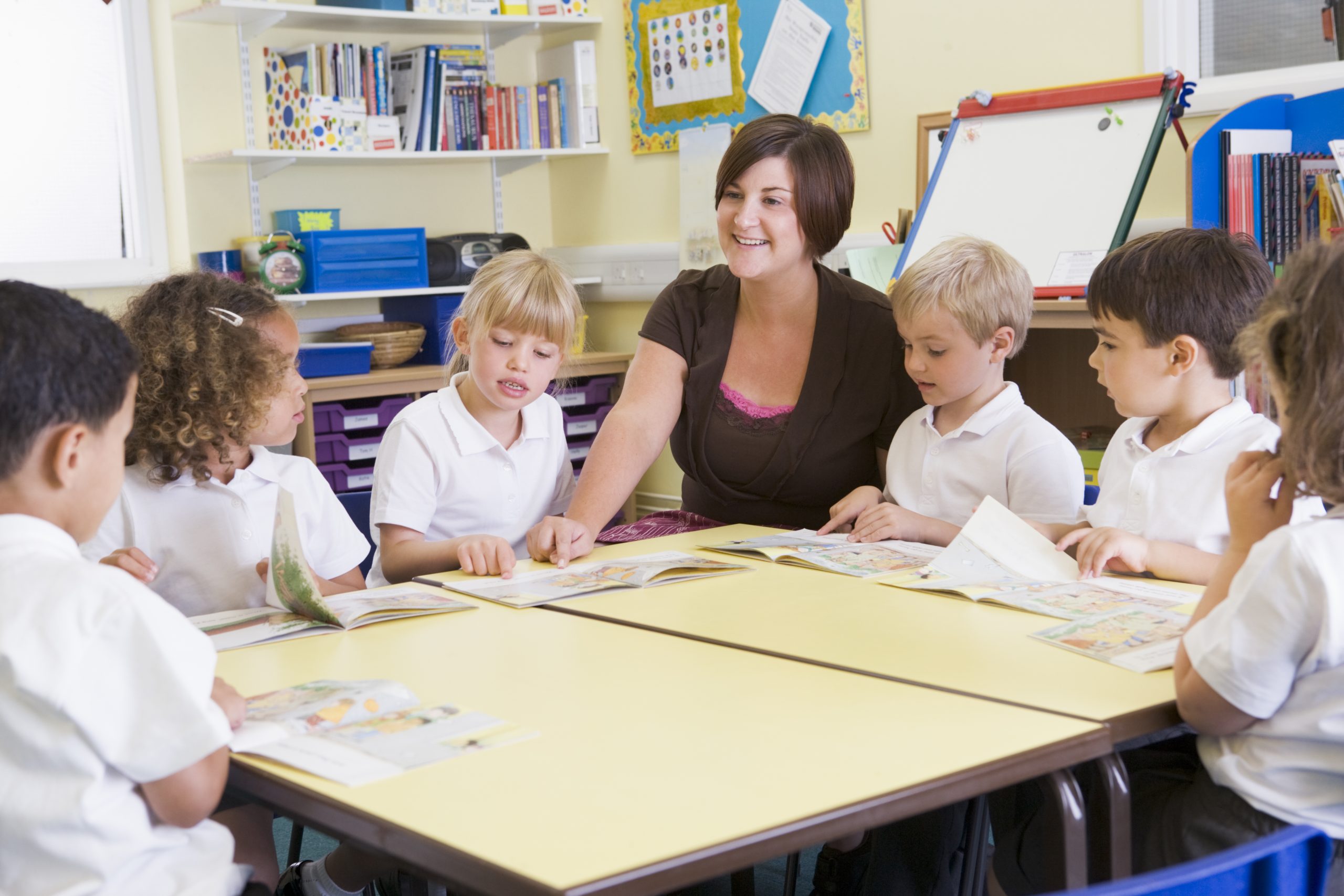
One of the most powerful tools elementary school counselors can use is the small counseling group. Small groups create an ideal setting to build trust, provide targeted support, and teach meaningful lessons—all while maximizing your time by reaching several students at once. Students benefit from shared experiences, peer support, and practical strategies they can take back to the classroom and beyond. What’s the downside? For me it was developing an effective system that I could repeat over and over rather than re-creating the wheel every year.
Why Small Groups Matter
-
Relationship Building: Meeting regularly in a smaller setting allows students to feel seen and heard, helping counselors develop deeper relationships with them.
-
Meaningful Lessons: Groups allow for interactive, hands-on activities that build essential life skills.
-
Efficient Use of Time: By serving multiple students simultaneously, counselors can provide more support without stretching themselves too thin.
Possible Small Group Topics
Small groups can be tailored to meet the unique needs of your student population. Some common and effective options include:
-
New Student Group: Helps new students transition smoothly, build friendships, and feel connected. This group provides a chance for you to meet with students and assess needs while encouraging them to make friends and feel a part of the school community.
-
Study Skills Group: Focuses on organization, time management, and test preparation. In addition, you could teach growth mindset which in itself alone has been shown in research to improve grades even without teaching specific academic skills.
-
Friendship Group: Supports students in learning how to make, keep, and repair friendships. This is a general group topic that could address self esteem issues as well as other social emotional learning topics.
-
Anxiety Group: Teaches coping strategies, calming techniques, and ways to manage worries.
-
Emotional Management Group: Provides tools for identifying feelings, self-regulation, and problem-solving. Groups around the issue of a specific emotion, most commonly anger management or anxiety, can teach students coping skills and provide opportunities to practice the strategies they are learning.
Tips for Setting Up and Running a Small Group
-
Identify Student Needs: Use teacher referrals, parent input, and counselor observations to determine who would benefit most.
-
Set Clear Objectives: Define the skills and outcomes you want the group to achieve.
-
Plan Ahead: Create a session outline with activities, discussion prompts, and materials ready to go.
-
Keep Groups Small: Aim for 4–6 students to encourage participation while maintaining manageability.
-
Establish Group Norms: Create simple rules for respect, confidentiality, and participation.
-
Use Engaging Activities: Incorporate role-plays, games, art, and stories to keep students involved.
-
Evaluate Progress: Gather feedback from students and teachers to measure growth and adjust future sessions.
Small groups are one of the most effective ways for counselors to make a big impact in a short amount of time. Whether you’re helping new students find their place, teaching friendship skills, or supporting students with anxiety, groups provide the structure and community children need to grow socially, emotionally, and academically.
Click here to watch video
About Lynne Watts
Lynne Watts is a veteran elementary school counselor and the creator of the Wyatt the Wonder Dog series. Her mission is to provide educators with engaging, child-friendly tools that build character and social-emotional skills in the classroom.

Stop–Think–Choose: A Simple Impulse Control Strategy for Elementary Students
Better Behavior Plans: A Guide for School Counselors
Healthy Friendships: Boundaries Every Child Should Know

Friendship Problems? 7 Skills Kids Need to Solve Conflicts
How to Make Friends: 3 Simple Skills Every Child Needs

Everyone Belongs: 10 Ways Kids Can Be a Belonging Builder

The Friendship Formula: 7 Qualities of a Great Friend
Creating a Culture of Creativity at School
Teaching Kids to Think Creatively: 7 Strategies for Elementary School Counselors

Think Outside the Box: Teaching Creative Thinking Skills to Elementary Students

Critical Thinking Activities for Elementary School Counselors
Critical Thinking: Helping Students Think, Not Just Answer

School Counselor Self-Care: 5 Essential Ways to Renew Your Energy and Avoid Burnout

Start Strong: Five Ways Counselors Plan for a Fantastic School Year
The Science of Encouragement: What Elementary School Counselors Need to Know About Positive and Negative Comments
Using Journals in Elementary School Counseling: Simple Strategies for Big Emotional Learning

Unlocking Resilience: How Curiosity Builds Stronger, Braver Elementary Students

Caring for the Caregiver: Self-Care Strategies for Counselors During Stressful Times

School Counselor Conference Success: Tips for Learning, Networking, and Growth
Journaling for Kids: Prompts that Build Emotional Growth and Confidence

The Burnout Fix for School Counselors: How to Set Healthy Boundaries Without Guilt

School Counseling and Burnout: Why Boundaries Matter More Than Ever

Prepared to Lead: Teaching Elementary Students the Power of Being Ready
Journaling : A Powerful School Counseling Tool for Emotional Growth and Self-Reflection

Why Boredom Is Good for Kids: A School Counselor’s Guide to Building Creativity and Independence
From Overwhelmed to Empowered: Practical Burnout Solutions for School Counselors

From ‘I Have to Get It Right’ to ‘I Can Try Again’: Tackling Perfectionism in Kids

Teaching Kids to Get Better at Getting Along

Improve Communication Skills and Resolve Conflicts with Kids

The Power of Storytelling in Elementary Counseling: Helping Kids Learn Life Skills That Stick

Change Happens: Teaching Elementary Students How to Adapt With Confidence
Teaching Integrity in Elementary School: How Reflective Questions Build Critical Thinking and Strong Character