

Lynne Watts
Author & Counselor

The Anxiety Epidemic
There is no question that anxiety among children (and adults for that matter) is on the rise. When I first began school counseling over 20+ years ago it was rare to have a child referred for anxiety. By the time I left the field, I was running a regular group for students with anxiety. One startling report indicates that the average high school student in 2008 had the same level of anxiety as the average psychiatric patient in the early 1950’s! Imagine what a comparison would find in today’s culture…
Professionals speculate on the reasons for this turn of events. Here are a few of the reasons…
- Despite technology, we are more socially disconnected than ever– families split up, move apart and participate less in social or religious organizations. In many cases, “connecting on our devices” has replaced in person meetings and socializing. Because kids don’t have a close knit home base, they often feel a lack of support from a network of significant others.
- Our expectations are higher than ever-Consequently there is more pressure to perform and more dissatisfaction if those expectations are not met. Kids expect to have the latest technology, attend the best school, make the best grades, make the team on the first try, score the most points and wear the latest fashion.
- We are more informed than ever and constantly inundated with bad news-from the latest natural disaster to the local crime scene to the demise of public figures, kids are flooded with negativity 24 hours a day via news channels and the internet. All of this leads kids to anticipate danger and feel on edge all the time.
What can we do to decrease anxiety among children?
- Set reasonable expectations and teach students to recognize the process of achievement. Children need to recognize that achieving goals involves effort, struggle and often failure before there is success. Teach resources for coping with the disappointments that can arise while celebrating the wins.
- Create an oasis of support in the school and community. Provide a safe environment where children can voice concerns. Acknowledge all feelings, positive and negative rather than brushing them off or providing a distraction. Instead teach coping techniques such as mindfulness or relaxation.
- Share news events especially bad news with restraint and in consideration of the child’s age and ability to understand the circumstances. Monitor their reactions and provide ways to contribute to a positive result such as collecting food or clothing or volunteering. Teach children that they can make a difference in the world through their efforts.
School Counselor Resource
The Elementary School Counselor Book of Lesson Plans
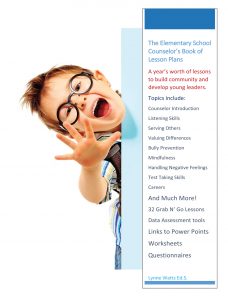
Thirty-two lesson plans with activities, discussion starters, assessments and questionnaires to keep students engaged all year while developing critical thinking skills and growth mindset.
About Lynne Watts
Lynne Watts is a veteran elementary school counselor and the creator of the Wyatt the Wonder Dog series. Her mission is to provide educators with engaging, child-friendly tools that build character and social-emotional skills in the classroom.

Don’t Give Up Yet! Teaching Kids to Manage Frustration

Focus Power: 7 Simple Ways to Help Kids Improve Attention

Stop–Think–Choose: A Simple Impulse Control Strategy for Elementary Students

Better Behavior Plans: A Guide for School Counselors

Healthy Friendships: Boundaries Every Child Should Know

Friendship Problems? 7 Skills Kids Need to Solve Conflicts
How to Make Friends: 3 Simple Skills Every Child Needs

Everyone Belongs: 10 Ways Kids Can Be a Belonging Builder

The Friendship Formula: 7 Qualities of a Great Friend

Creating a Culture of Creativity at School
Teaching Kids to Think Creatively: 7 Strategies for Elementary School Counselors

Think Outside the Box: Teaching Creative Thinking Skills to Elementary Students

Critical Thinking Activities for Elementary School Counselors
Critical Thinking: Helping Students Think, Not Just Answer

School Counselor Self-Care: 5 Essential Ways to Renew Your Energy and Avoid Burnout

Start Strong: Five Ways Counselors Plan for a Fantastic School Year

The Science of Encouragement: What Elementary School Counselors Need to Know About Positive and Negative Comments

Using Journals in Elementary School Counseling: Simple Strategies for Big Emotional Learning

Unlocking Resilience: How Curiosity Builds Stronger, Braver Elementary Students

Caring for the Caregiver: Self-Care Strategies for Counselors During Stressful Times

School Counselor Conference Success: Tips for Learning, Networking, and Growth

Journaling for Kids: Prompts that Build Emotional Growth and Confidence

The Burnout Fix for School Counselors: How to Set Healthy Boundaries Without Guilt

School Counseling and Burnout: Why Boundaries Matter More Than Ever

Prepared to Lead: Teaching Elementary Students the Power of Being Ready

Journaling : A Powerful School Counseling Tool for Emotional Growth and Self-Reflection

Why Boredom Is Good for Kids: A School Counselor’s Guide to Building Creativity and Independence
From Overwhelmed to Empowered: Practical Burnout Solutions for School Counselors

From ‘I Have to Get It Right’ to ‘I Can Try Again’: Tackling Perfectionism in Kids

Teaching Kids to Get Better at Getting Along

Improve Communication Skills and Resolve Conflicts with Kids

The Power of Storytelling in Elementary Counseling: Helping Kids Learn Life Skills That Stick