
Focus Power: 7 Simple Ways to Help Kids Improve Attention

Lynne Watts

Author & Counselor

“Pay attention” is easy to say but much harder for some children to accomplish.

Instead of simply telling students to focus, counselors can teach specific attention skills:

  • Looking
  • Listening
  • Noticing
  • Filtering distractions
  • Staying with a task
  • Taking appropriate breaks
  • Returning attention when the mind wanders

An important message for students:

Focus doesn’t mean your mind never wanders. Focus means you notice and bring your attention back.

Activities

K–2: Listening Detective

Ask students to close their eyes and identify sounds they hear.

Start with obvious sounds and gradually introduce quieter sounds.

Grades 3–5: Distraction Challenge

Give students a simple task while introducing harmless distractions.

Afterward, discuss:

  • What distracted you?
  • What helped you refocus?
  • Can you control every distraction?
  • What can you control?

Focus Bingo

Create squares such as:

  • I listened without interrupting.
  • I finished a task.
  • I ignored a distraction.
  • I asked for clarification.
  • I brought my attention back after getting distracted.

Picture-Book Recommendations

  • I Can’t Find My Whatchamacallit! — Martha Alexander
  • The Listening Walk — Paul Showers
  • Wyatt The Wonder Dog Learns about Listening, Lynne Watts
  • Moody Cow Meditates — Kerry Lee MacLean
Click here to watch video

About Lynne Watts

Lynne Watts is a veteran elementary school counselor and the creator of the Wyatt the Wonder Dog series. Her mission is to provide educators with engaging, child-friendly tools that build character and social-emotional skills in the classroom.

Related Blog Post

listening skills

Focus Power: 7 Simple Ways to Help Kids Improve Attention

“Pay attention” is easy to say but much harder for some children to accomplish. Instead ...
Read More →
emotional regulation

Stop–Think–Choose: A Simple Impulse Control Strategy for Elementary Students
Have you ever watched a student react to a situation almost before they had time ...
Read More →
behavior management

Better Behavior Plans: A Guide for School Counselors
I once was counseling the parents of a child who didn’t want to come to ...
Read More →
Friendship & Social Skills

Healthy Friendships: Boundaries Every Child Should Know

Children sometimes think being a good friend means always saying yes, always playing together, or ...
Read More →
conflict resolution

Friendship Problems? 7 Skills Kids Need to Solve Conflicts
“I don’t want to be his friend anymore!” School counselors hear this statement regularly. Friendship ...
Read More →
Friendship & Social Skills

How to Make Friends: 3 Simple Skills Every Child Needs

For some children, making friends seems easy. For others, walking up to another child and ...
Read More →
belonging

Everyone Belongs: 10 Ways Kids Can Be a Belonging Builder

A child can be surrounded by classmates and still feel completely alone. Creating a sense ...
Read More →
Friendship & Social Skills

The Friendship Formula: 7 Qualities of a Great Friend
Every child wants to have friends, but children aren’t automatically born knowing how to be ...
Read More →
creativity

Creating a Culture of Creativity at School

Teaching creative thinking shouldn’t be limited to one counseling lesson. Schools can create an environment ...
Read More →
creativity

Teaching Kids to Think Creatively: 7 Strategies for Elementary School Counselors

Fortunately, creative thinking is not a skill reserved for naturally artistic or imaginative children. It ...
Read More →
creativity

Think Outside the Box: Teaching Creative Thinking Skills to Elementary Students

In a world filled with artificial intelligence, smartphones, search engines, streaming entertainment, and instant answers, ...
Read More →
critical thinking

Critical Thinking Activities for Elementary School Counselors
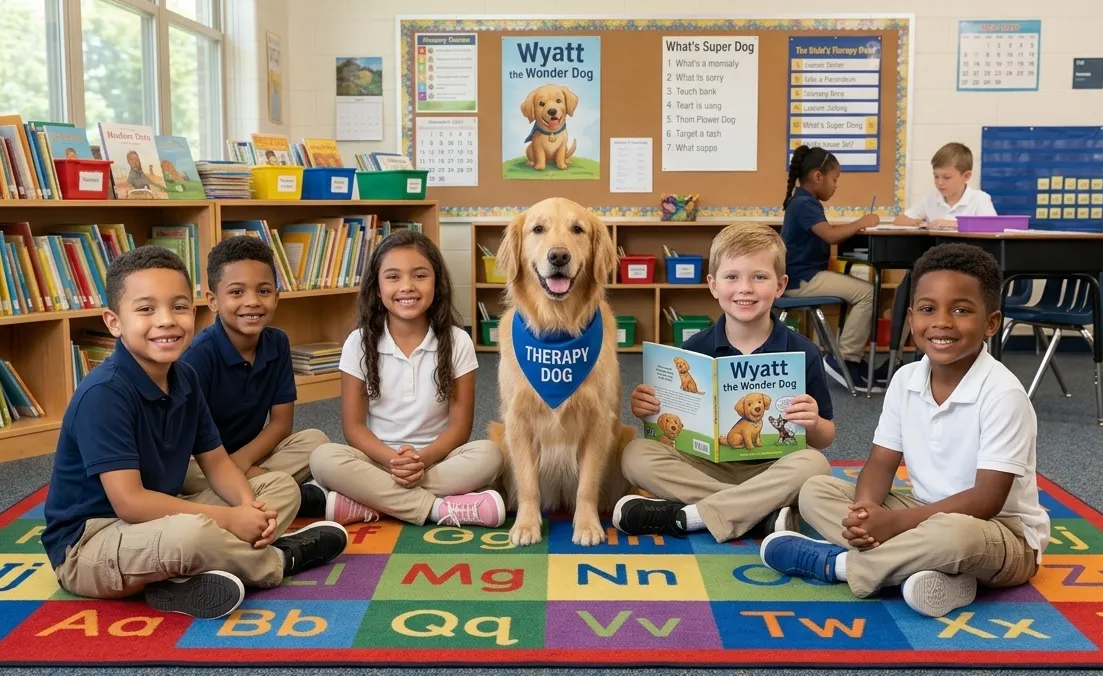
Very young children often ask a million questions, so many that as adults we can ...
Read More →
critical thinking

Critical Thinking: Helping Students Think, Not Just Answer

Why Critical Thinking Skills Matter More Than Ever Children today are growing up in a ...
Read More →
Emotional Regulation & Mindfulness

School Counselor Self-Care: 5 Essential Ways to Renew Your Energy and Avoid Burnout

As elementary school counselors, we spend our days helping students navigate challenges, build resilience, manage ...
Read More →
goal setting

Start Strong: Five Ways Counselors Plan for a Fantastic School Year
As an elementary school counselor, the start of the school year is your chance to ...
Read More →
crucial conversations

The Science of Encouragement: What Elementary School Counselors Need to Know About Positive and Negative Comments
Elementary school counselors play a critical role in shaping school climate, supporting student growth, and ...
Read More →
journaling

Using Journals in Elementary School Counseling: Simple Strategies for Big Emotional Learning

One of the greatest strengths of journaling is its versatility. It works across all counseling ...
Read More →
critical thinking

Unlocking Resilience: How Curiosity Builds Stronger, Braver Elementary Students

For elementary school counselors, teaching resilience isn’t just about bouncing back from setbacks. It’s about ...
Read More →
burnout,

Caring for the Caregiver: Self-Care Strategies for Counselors During Stressful Times

As an elementary school counselor, you are a beacon of stability for your students, especially ...
Read More →
Friendship & Social Skills

School Counselor Conference Success: Tips for Learning, Networking, and Growth
Every year, I attend several conferences as a speaker, vendor or participant, so I’ve seen ...
Read More →
burnout,

The Burnout Fix for School Counselors: How to Set Healthy Boundaries Without Guilt

You don’t need to do everything to be an effective school counselor. In fact, doing ...
Read More →
burnout,

School Counseling and Burnout: Why Boundaries Matter More Than Ever

School Counseling and Burnout: Why Boundaries Matter More Than Ever Elementary school counselors are often ...
Read More →
organization skills

Prepared to Lead: Teaching Elementary Students the Power of Being Ready

What Does It Mean to Be Prepared? Being prepared means thinking ahead, organizing what you ...
Read More →
journaling

Journaling : A Powerful School Counseling Tool for Emotional Growth and Self-Reflection

Elementary school counselors are constantly looking for meaningful, low-pressure ways to help students process emotions, ...
Read More →
creativity

Why Boredom Is Good for Kids: A School Counselor’s Guide to Building Creativity and Independence

Summer is a time of relaxation and freedom.  It’s unstructured days and late nights;  movies ...
Read More →
burnout,

From Overwhelmed to Empowered: Practical Burnout Solutions for School Counselors

School counseling is one of the most rewarding professions—but also one of the most emotionally ...
Read More →
Growth Mindset & Resilience

From ‘I Have to Get It Right’ to ‘I Can Try Again’: Tackling Perfectionism in Kids

Perfectionism in children is often misunderstood. At first glance, it can look like motivation, high ...
Read More →
behavior management

Teaching Kids to Get Better at Getting Along

Teaching kids to get along together You’ve got two kids who disagree and fight constantly… ...
Read More →
conflict resolution

Improve Communication Skills and Resolve Conflicts with Kids

He’s making fun of me. She said she wasn’t my friend any more. She invited ...
Read More →
elementary school counselor lesson plans

Change Happens: Teaching Elementary Students How to Adapt With Confidence

Change is a natural and unavoidable part of life—and for elementary students, change happens more ...
Read More →
Shopping Cart
Scroll to Top