

Lynne Watts
Author & Counselor
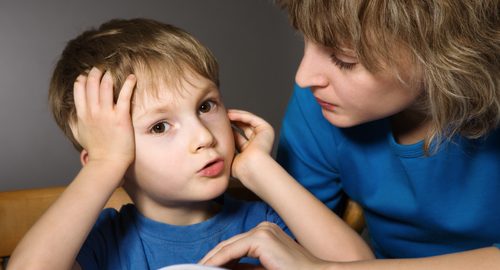
Whether it’s a playground conflict, academic frustration, or something happening at home, elementary students can get upset for many reasons—and those emotions often show up suddenly and intensely. As a school counselor, your approach in those fragile moments can make all the difference. With the right strategies, you can build trust, de-escalate big feelings, and guide students toward emotional regulation and problem-solving.
Effective Strategies for Approaching and Helping an Upset Student
1. Stay Calm and Grounded Yourself
Why it works: Children mirror the emotional tone of adults. If you’re calm, you create a safe emotional space.
How to do it: Breathe deeply, speak in a soft tone, keep your body language open and relaxed.
2. Use a Soft Opening: Offer Presence, Not Pressure
Why it works: Some students need time before they’re ready to talk. Offering quiet support helps them feel seen without feeling overwhelmed.
Try saying:
-
“I’m here when you’re ready.”
-
“Would you like to sit with me for a minute?”
-
“Would it help to take a break together?”
3. Name the Feeling
Why it works: Helping students identify and label emotions builds emotional literacy and can reduce intensity.
Try saying:
-
“It looks like you might be feeling really frustrated.”
-
“You seem sad right now. Do you want to talk about it?”
4. Use Grounding Techniques
Why it works: When emotions are high, grounding helps bring students back to the present moment.
Examples:
-
5-4-3-2-1 (Name 5 things you can see, 4 things you can touch…)
-
Breathing exercises: Try “Box Breathing, breathe in 4 counts, hold 4 counts, breathe out 4 counts, and hold 4 counts, repeat”
-
Squeeze a stress ball or sensory item
5. Offer Choices
Why it works: Upset students often feel out of control. Giving small choices restores a sense of power and agency.
Try saying:
-
“Would you like to draw or talk right now?”
-
“Do you want to stay here or go for a short walk?”
6. Validate, Don’t Minimize
Why it works: Validation helps students feel understood, which opens the door to connection.
Try saying:
-
“That sounds really hard.”
-
“It makes sense that you’re upset.”
7. Know When to Give Space vs. Step In
Why it works: Some students regulate best with a bit of space; others need immediate co-regulation. Watch body language and listen for cues.
Tip: Have a “calm corner” or “take-a-break” space where students can choose to go.
What Not to Do—and Why
1. Don’t Say “Calm Down”
Why not? This often feels invalidating and dismissive. Students may feel misunderstood or shut down further.
2. Don’t Demand an Explanation Immediately
Why not? When a student is dysregulated, they may not be able to verbalize what’s wrong. Pushing for answers too soon increases stress.
3. Don’t Shame or Embarrass
Why not? Comments like “You’re too old for this” or “Everyone’s looking at you” undermine trust and may escalate the situation.
4. Don’t Overreact or Take It Personally
Why not? Students may act out emotionally in the safest environment they know. Stay grounded and focus on the “why behind the behavior.”
Final Thoughts:
Helping an upset student isn’t about fixing the problem immediately—it’s about showing up with empathy, patience, and the right tools. Your steady presence and calm approach can help a child begin to feel safe, understood, and eventually empowered to cope. Then don’t forget to follow-up and teach coping strategies for the future.
Watch video HERE!
About Lynne Watts
Lynne Watts is a veteran elementary school counselor and the creator of the Wyatt the Wonder Dog series. Her mission is to provide educators with engaging, child-friendly tools that build character and social-emotional skills in the classroom.

Don’t Give Up Yet! Teaching Kids to Manage Frustration
Focus Power: 7 Simple Ways to Help Kids Improve Attention

Stop–Think–Choose: A Simple Impulse Control Strategy for Elementary Students
Better Behavior Plans: A Guide for School Counselors
Healthy Friendships: Boundaries Every Child Should Know

Friendship Problems? 7 Skills Kids Need to Solve Conflicts
How to Make Friends: 3 Simple Skills Every Child Needs

Everyone Belongs: 10 Ways Kids Can Be a Belonging Builder

The Friendship Formula: 7 Qualities of a Great Friend
Creating a Culture of Creativity at School
Teaching Kids to Think Creatively: 7 Strategies for Elementary School Counselors

Think Outside the Box: Teaching Creative Thinking Skills to Elementary Students

Critical Thinking Activities for Elementary School Counselors
Critical Thinking: Helping Students Think, Not Just Answer

School Counselor Self-Care: 5 Essential Ways to Renew Your Energy and Avoid Burnout

Start Strong: Five Ways Counselors Plan for a Fantastic School Year

The Science of Encouragement: What Elementary School Counselors Need to Know About Positive and Negative Comments
Using Journals in Elementary School Counseling: Simple Strategies for Big Emotional Learning

Unlocking Resilience: How Curiosity Builds Stronger, Braver Elementary Students

Caring for the Caregiver: Self-Care Strategies for Counselors During Stressful Times

School Counselor Conference Success: Tips for Learning, Networking, and Growth
Journaling for Kids: Prompts that Build Emotional Growth and Confidence

The Burnout Fix for School Counselors: How to Set Healthy Boundaries Without Guilt

School Counseling and Burnout: Why Boundaries Matter More Than Ever

Prepared to Lead: Teaching Elementary Students the Power of Being Ready

Journaling : A Powerful School Counseling Tool for Emotional Growth and Self-Reflection

Why Boredom Is Good for Kids: A School Counselor’s Guide to Building Creativity and Independence
From Overwhelmed to Empowered: Practical Burnout Solutions for School Counselors

From ‘I Have to Get It Right’ to ‘I Can Try Again’: Tackling Perfectionism in Kids

Teaching Kids to Get Better at Getting Along

Improve Communication Skills and Resolve Conflicts with Kids

The Power of Storytelling in Elementary Counseling: Helping Kids Learn Life Skills That Stick