

Lynne Watts
Author & Counselor

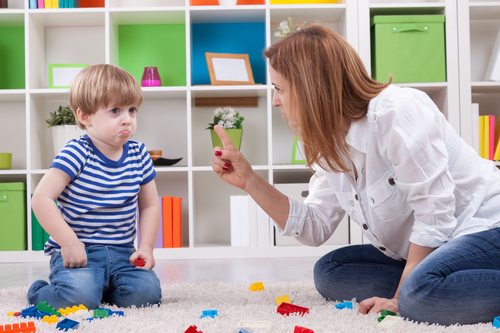
Elementary school counselors often find themselves guiding not only students but also parents. One of the most important topics to address with parents is teaching children about boundaries. Boundaries are essential for a child’s growth, self-control, and emotional security, yet many parents struggle with how to set them effectively.
What Does It Mean to Set Boundaries?
Setting boundaries means creating clear expectations and consistent limits for behavior. Boundaries give children a framework that helps them understand what is acceptable and what is not. Boundaries are not about punishment or control—they are about teaching respect, responsibility, and self-regulation.
Why Boundaries Are Important
Boundaries provide children with structure, which fosters security and trust. Without clear boundaries, children may feel confused, anxious, or uncertain about their role within the family. With boundaries in place, children learn:
-
Respect for others and their personal space.
-
Responsibility for their actions and decisions.
-
Self-control and the ability to regulate emotions.
-
Resilience in handling disappointment or limits.
For parents, boundaries prevent burnout and create healthier family dynamics. They also help parents avoid permissive or overly controlling parenting styles by encouraging a balanced approach.
Benefits of Setting Boundaries
-
Consistency and Stability – Children thrive when they know what to expect.
-
Improved Behavior – Clear rules reduce power struggles and tantrums.
-
Stronger Parent-Child Relationships – Boundaries communicate love and care by showing children that their parents are invested in their well-being.
-
Life Skills Development – Boundaries prepare children for the expectations they will face at school, in friendships, and later in life.
Common Examples of Boundaries Parents Can Set
-
Screen time limits – Setting specific times for TV, video games, or devices.
-
Bedtime routines – Establishing consistent sleep schedules for healthier habits.
-
Chores and responsibilities – Teaching accountability through age-appropriate household tasks.
-
Respecting personal space – Encouraging children to knock before entering someone’s room or ask permission before using someone else’s belongings.
-
Behavior expectations – Using family rules such as “speak kindly” or “use walking feet indoors.”
Challenges Parents Face in Setting Boundaries
-
Fear of conflict – Some parents worry that limits will upset their child.
-
Guilt – Parents may feel guilty about saying no, especially if they have limited time with their child.
-
Consistency struggles – Maintaining boundaries requires follow-through, which can be difficult with busy schedules.
-
Mixed messages – When parents or caregivers are not on the same page, children receive inconsistent signals.
Firm but Loving: The Key to Boundaries
Boundaries work best when they are firm but loving. Parents should remain calm, consistent, and clear while still showing empathy. For example, instead of giving in when a child begs for more screen time, a parent might say, “I understand you want to play longer, but we agreed on 30 minutes. It’s time to stop now.” This approach reinforces both structure and compassion.
The “Why” Behind Boundaries
Helping parents understand why boundaries matter makes them more committed to enforcing them. Boundaries are not about controlling children but about preparing them for real-world expectations. They:
-
Teach children that actions have consequences.
-
Protect children’s safety and well-being.
-
Encourage independence while maintaining respect for others.
-
Model healthy relationships, since strong boundaries are a foundation of trust and mutual respect.
As an elementary school counselor, guiding parents to see boundaries as a tool for growth—not punishment—empowers them to raise confident, respectful, and well-adjusted children.

About Lynne Watts
Lynne Watts is a veteran elementary school counselor and the creator of the Wyatt the Wonder Dog series. Her mission is to provide educators with engaging, child-friendly tools that build character and social-emotional skills in the classroom.

Stop–Think–Choose: A Simple Impulse Control Strategy for Elementary Students
Better Behavior Plans: A Guide for School Counselors

Healthy Friendships: Boundaries Every Child Should Know

Friendship Problems? 7 Skills Kids Need to Solve Conflicts
How to Make Friends: 3 Simple Skills Every Child Needs

Everyone Belongs: 10 Ways Kids Can Be a Belonging Builder

The Friendship Formula: 7 Qualities of a Great Friend

Creating a Culture of Creativity at School
Teaching Kids to Think Creatively: 7 Strategies for Elementary School Counselors

Think Outside the Box: Teaching Creative Thinking Skills to Elementary Students

Critical Thinking Activities for Elementary School Counselors

Critical Thinking: Helping Students Think, Not Just Answer

School Counselor Self-Care: 5 Essential Ways to Renew Your Energy and Avoid Burnout

Start Strong: Five Ways Counselors Plan for a Fantastic School Year

The Science of Encouragement: What Elementary School Counselors Need to Know About Positive and Negative Comments

Using Journals in Elementary School Counseling: Simple Strategies for Big Emotional Learning

Unlocking Resilience: How Curiosity Builds Stronger, Braver Elementary Students

Caring for the Caregiver: Self-Care Strategies for Counselors During Stressful Times

School Counselor Conference Success: Tips for Learning, Networking, and Growth

Journaling for Kids: Prompts that Build Emotional Growth and Confidence

The Burnout Fix for School Counselors: How to Set Healthy Boundaries Without Guilt

School Counseling and Burnout: Why Boundaries Matter More Than Ever

Prepared to Lead: Teaching Elementary Students the Power of Being Ready

Journaling : A Powerful School Counseling Tool for Emotional Growth and Self-Reflection

Why Boredom Is Good for Kids: A School Counselor’s Guide to Building Creativity and Independence
From Overwhelmed to Empowered: Practical Burnout Solutions for School Counselors

From ‘I Have to Get It Right’ to ‘I Can Try Again’: Tackling Perfectionism in Kids

Teaching Kids to Get Better at Getting Along

Improve Communication Skills and Resolve Conflicts with Kids

The Power of Storytelling in Elementary Counseling: Helping Kids Learn Life Skills That Stick

Change Happens: Teaching Elementary Students How to Adapt With Confidence
Teaching Integrity in Elementary School: How Reflective Questions Build Critical Thinking and Strong Character