
Lynne Watts
Author & Counselor
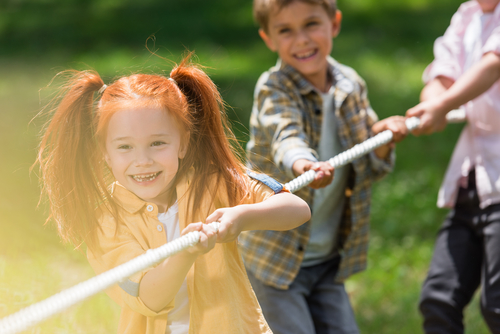
What does a student do when faced with a challenging situation?
- Give Up
- Find an adult to fix the problem
- Attempt to solve the problem
Resilience is the ability to bounce back from challenges, adapt to difficult situations, and keep going in the face of adversity. For elementary-aged students, resilience might look like staying calm when a game doesn’t go their way, trying again after a failed test, or seeking help when they’re feeling overwhelmed.
Resilient children don’t avoid stress or hardship—instead, they learn how to navigate it with confidence and perseverance. It’s not about being tough all the time, but about being able to bend without breaking.
Benefits of Resilience in Students
When students develop resilience early in life, they are more likely to:
- Cope with change and uncertainty more effectively
- Develop stronger problem-solving and decision-making skills
- Build positive relationships with peers and adults
- Improve academic performance and motivation
- Reduce anxiety and frustration in the classroom
- Grow into more independent and emotionally healthy individuals
What are the key factors in developing resilience? Here’s what we know about resilience:
- It is not genetic, it is a learned response. This means as parents and educators we can not only be role models but teach our children to be resilient.
- Children who develop resilience most often have relationships that are characterized by boundaries, consistency and support.
- Children who are resilient don’t live lives that are always easy or fun. Instead they develop self talk and coping skills to handle the challenges that life throws their way.
As we move into the new year, full of resolutions and goal setting, one important lesson that we can share with children is that goals are worthy endeavors even when they are difficult, time-consuming and energy draining. Preconceived expectations often influence our efforts. When children grow up in an environment where they expect everything to be fun, fast and easy, they don’t develop the necessary mindset to take on challenging goals. Instead, children develop the mindset that “I deserve this because I want it,” rather than, “This is hard but I know I can do this.”
How Counselors Can Encourage and Teach Resilient Behaviors
As a school counselor, you play a key role in creating a safe space for students to build resilience. Here are some practical strategies to incorporate into your work:
- Normalize Struggle
Talk openly about how setbacks are a natural part of learning and growing. Use examples from everyday school life to help students reframe failure as an opportunity for growth.
- Model Positive Self-Talk
Teach students how to shift their inner dialogue. Encourage phrases like:
- “I can try again.”
- “Mistakes help me learn.”
- “This is hard, but I can do hard things.”
- Create a Safe, Supportive Environment
Building trusting relationships with students helps them feel secure enough to take risks and handle disappointment. Show empathy, listen without judgment, and provide consistent encouragement.
- Use Role-Plays and Scenarios
Help students practice responding to common stressors, like friendship conflicts or test anxiety. Role-playing teaches problem-solving and emotional regulation skills in a safe setting.
- Integrate Resilience Lessons into SEL Curriculum
Use group lessons to explore topics like grit, perseverance, emotional regulation, and growth mindset. Keep the lessons short, interactive, and age-appropriate.
- Involve Families
Share resources and strategies with caregivers so they can reinforce resilience-building at home. Consider sending home a monthly newsletter with tips or hosting a family night on coping skills.
Resilient children are hopeful children. Despite personal doubts or fears, they are children who are willing to set goals even when they are hard and difficult. They are children who recognize their own ability to create change in the world.
Want to read more about kids and developing resilience? Here’s a great read with lots of practical suggestions for schools:
Thrivers, The Surprising Reasons Why Some Kids Struggle and Others Shine, by Michele Borba, Ed.D.
Click here to watch video!
About Lynne Watts
Lynne Watts is a veteran elementary school counselor and the creator of the Wyatt the Wonder Dog series. Her mission is to provide educators with engaging, child-friendly tools that build character and social-emotional skills in the classroom.

Stop–Think–Choose: A Simple Impulse Control Strategy for Elementary Students
Better Behavior Plans: A Guide for School Counselors
Healthy Friendships: Boundaries Every Child Should Know

Friendship Problems? 7 Skills Kids Need to Solve Conflicts
How to Make Friends: 3 Simple Skills Every Child Needs

Everyone Belongs: 10 Ways Kids Can Be a Belonging Builder

The Friendship Formula: 7 Qualities of a Great Friend
Creating a Culture of Creativity at School
Teaching Kids to Think Creatively: 7 Strategies for Elementary School Counselors

Think Outside the Box: Teaching Creative Thinking Skills to Elementary Students

Critical Thinking Activities for Elementary School Counselors
Critical Thinking: Helping Students Think, Not Just Answer

School Counselor Self-Care: 5 Essential Ways to Renew Your Energy and Avoid Burnout

Start Strong: Five Ways Counselors Plan for a Fantastic School Year

The Science of Encouragement: What Elementary School Counselors Need to Know About Positive and Negative Comments
Using Journals in Elementary School Counseling: Simple Strategies for Big Emotional Learning

Unlocking Resilience: How Curiosity Builds Stronger, Braver Elementary Students

Caring for the Caregiver: Self-Care Strategies for Counselors During Stressful Times

School Counselor Conference Success: Tips for Learning, Networking, and Growth
Journaling for Kids: Prompts that Build Emotional Growth and Confidence

The Burnout Fix for School Counselors: How to Set Healthy Boundaries Without Guilt

School Counseling and Burnout: Why Boundaries Matter More Than Ever

Prepared to Lead: Teaching Elementary Students the Power of Being Ready

Journaling : A Powerful School Counseling Tool for Emotional Growth and Self-Reflection

Why Boredom Is Good for Kids: A School Counselor’s Guide to Building Creativity and Independence
From Overwhelmed to Empowered: Practical Burnout Solutions for School Counselors

From ‘I Have to Get It Right’ to ‘I Can Try Again’: Tackling Perfectionism in Kids

Teaching Kids to Get Better at Getting Along

Improve Communication Skills and Resolve Conflicts with Kids

The Power of Storytelling in Elementary Counseling: Helping Kids Learn Life Skills That Stick

Change Happens: Teaching Elementary Students How to Adapt With Confidence
Teaching Integrity in Elementary School: How Reflective Questions Build Critical Thinking and Strong Character