
Building a Bully-Free Zone: How Elementary School Counselors Can Help

Lynne Watts

Author & Counselor

As elementary school counselors, we play a critical role in fostering safe, supportive environments where all students can grow and thrive. One of the most important topics we address is bully prevention. Bullying can have a significant impact on a child’s emotional well-being and academic success, so it’s crucial that we empower students with the knowledge, skills, and resources they need to navigate and prevent bullying. In this post, I’ll discuss what bullying is, how it differs from typical friendship problems, the prevalence of bullying in schools, and practical strategies for prevention and support.

What is a Bully?

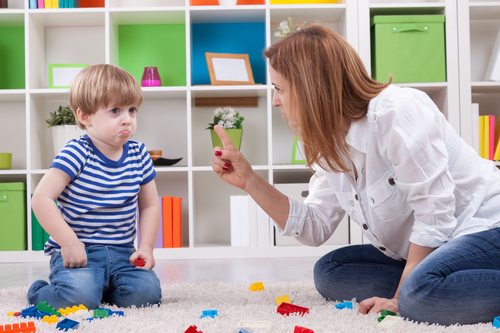
First, it’s essential to help students understand what bullying truly is. According to the U.S. Department of Health and Human Services, bullying is defined as “unwanted, aggressive behavior among school-aged children that involves a real or perceived power imbalance.” Bullying can be physical (hitting, pushing), verbal (name-calling, teasing), or social (exclusion, spreading rumors). It’s important to highlight that bullying is repeated behavior, meaning it happens over and over, rather than a one-time incident.

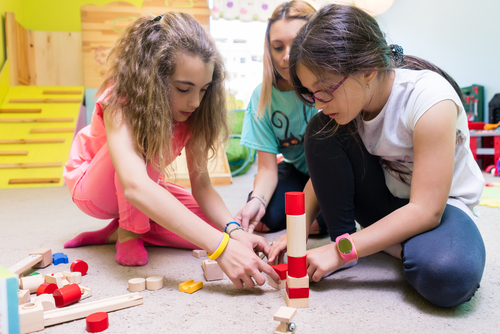
This is where it’s important to distinguish between bullying and normal friendship problems. Every child will experience disagreements, misunderstandings, or conflicts with peers—these are typical parts of social development. However, when one child consistently targets another in an effort to hurt or control them, that’s bullying. By addressing this difference early on, we can prevent students from misidentifying bullying as simply “drama” or “fighting.”

The Prevalence of Bullying in Schools

Unfortunately, bullying is a prevalent issue in schools today. The National Center for Educational Statistics (NCES) reports that about 20% of students ages 12-18 experience bullying in some form. These statistics highlight the need for ongoing education and intervention to ensure that every child feels safe and supported at school.

Best Practices for Bully Prevention

As counselors, we must approach bullying prevention with a multi-faceted strategy. Below are some of the best practices for creating a bully-free environment in elementary schools:

  1. Promote Kindness and Empathy:
    Encourage students to understand and respect each other’s feelings. Activities like role-playing, group discussions, and reading books about kindness and empathy can help reinforce positive behaviors and attitudes. When students feel empathy toward others, they’re more likely to stand up against bullying.
  2. Create Clear Anti-Bullying Policies:
    Work with your school administration to develop and communicate clear anti-bullying policies. Ensure students know that bullying is not tolerated and that there are specific steps they can take if they witness or experience bullying.
  3. Foster Peer Support Networks:
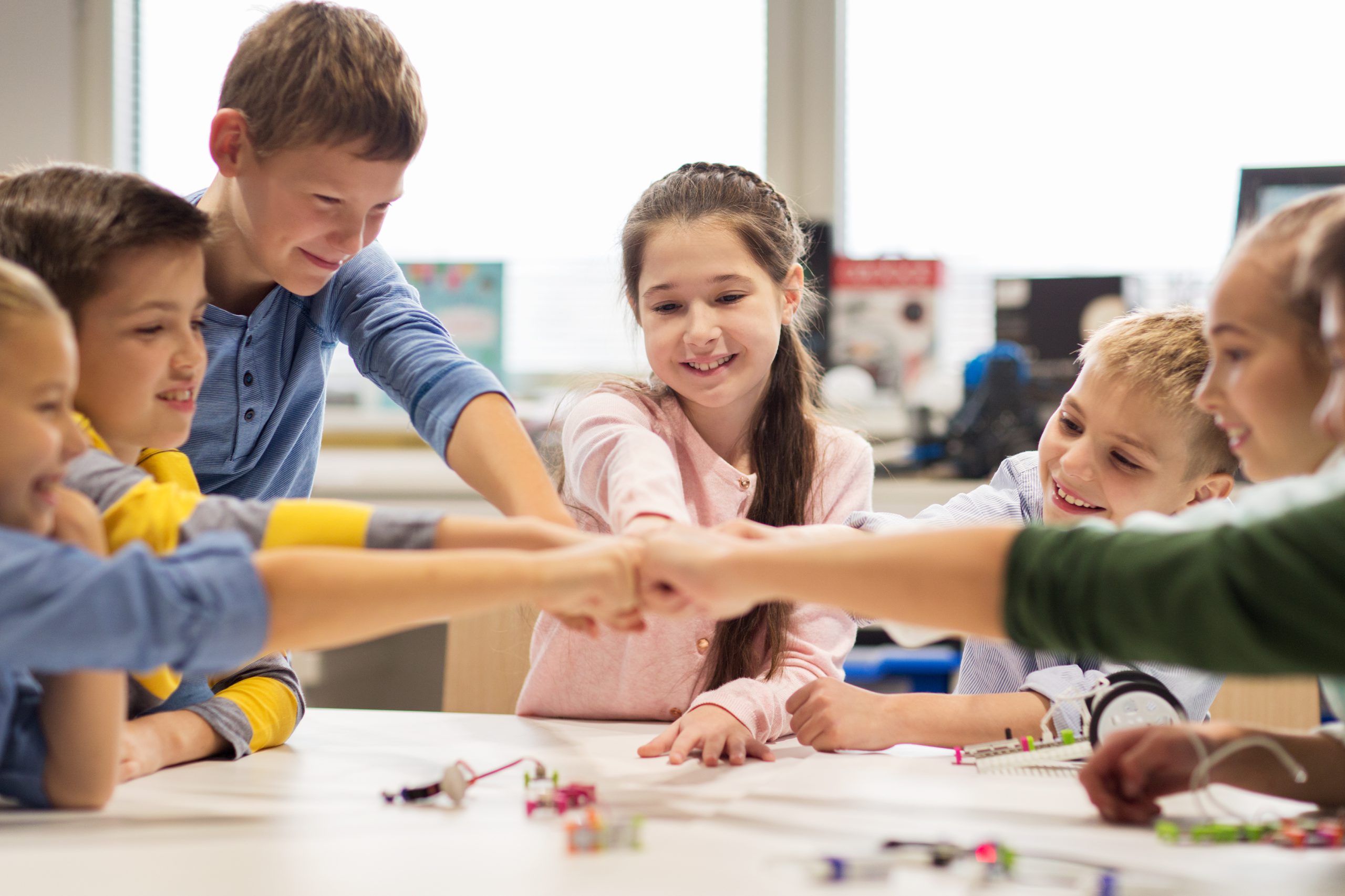
    Encourage students to be allies to their peers. Peer support programs, such as buddy systems, allow students to feel empowered to intervene when they see bullying happening. Establishing a “safe space” where students can share their concerns with trusted peers or adults is key.
  4. Educate on Healthy Relationships:
    It’s essential for students to understand what healthy friendships look like. Use classroom lessons and discussions to help students identify qualities of positive relationships, such as respect, kindness, and communication.
  5. Ongoing Education:
    Bully prevention should be a continuous process, not just a one-time lesson. Consider offering regular lessons and discussions on bullying, empathy, and conflict resolution. This reinforces the idea that bullying is not acceptable and gives students more tools to address it when it arises.

Strategies for Students: What To Do If You Experience Bullying

For students experiencing bullying, it’s important to provide clear and practical strategies they can use. Here are some key strategies to share with students:

  1. Tell an Adult You Trust:
    Whether it’s a teacher, counselor, or parent, students should know that they can always seek help from a trusted adult. Empowering children to speak up about their experiences is vital for intervention.
  2. Stand Up for Yourself in a Calm, Firm Way:
    Teach students to assert themselves when confronted by a bully. Role-play how to say “Stop” or “That’s not okay” in a calm, confident manner. Emphasize that standing up doesn’t mean using physical aggression, but rather asserting their boundaries in a respectful way.
  3. Walk Away and Find a Safe Space:
    Encourage students to walk away from situations where bullying is occurring. Finding a safe space (e.g., a teacher’s office, counselor’s room) or seeking out supportive friends can help them stay safe while dealing with the situation.
  4. Be an Upstander:
    Teach students that it’s important to stand up for others who are being bullied. By speaking out or simply offering support to the person being bullied, students can help stop bullying before it escalates.
  5. Document the Incident:
    Advise students to keep track of bullying incidents, including what happened, when, and who was involved. This documentation can be valuable when reporting the issue to an adult or school authority.

Building a Bully-Free School Culture

As counselors, we play a pivotal role in shaping a school culture where bullying is not tolerated and kindness is celebrated. Through education, empathy-building activities, and clear communication, we can create an environment where all students feel safe, supported, and empowered to stand up for themselves and others.

By teaching students the difference between bullying and typical friendship problems, providing strategies to deal with bullying, and promoting an inclusive, respectful environment, we can work together to build a Bully-Free Zone at our schools.

About Lynne Watts

Lynne Watts is a veteran elementary school counselor and the creator of the Wyatt the Wonder Dog series. Her mission is to provide educators with engaging, child-friendly tools that build character and social-emotional skills in the classroom.

Related Blog Post

creativity

Creating a Culture of Creativity at School

Teaching creative thinking shouldn’t be limited to one counseling lesson. Schools can create an environment ...
Read More →
creativity

Teaching Kids to Think Creatively: 7 Strategies for Elementary School Counselors

Fortunately, creative thinking is not a skill reserved for naturally artistic or imaginative children. It ...

Read More →
creativity

Think Outside the Box: Teaching Creative Thinking Skills to Elementary Students

In a world filled with artificial intelligence, smartphones, search engines, streaming entertainment, and instant answers, ...

Read More →
critical thinking

Critical Thinking Activities for Elementary School Counselors

Very young children often ask a million questions, so many that as adults we can ...
Read More →
critical thinking

Critical Thinking: Helping Students Think, Not Just Answer

Why Critical Thinking Skills Matter More Than Ever Children today are growing up in a ...

Read More →
Emotional Regulation & Mindfulness

School Counselor Self-Care: 5 Essential Ways to Renew Your Energy and Avoid Burnout

As elementary school counselors, we spend our days helping students navigate challenges, build resilience, manage ...

Read More →
goal setting

Start Strong: Five Ways Counselors Plan for a Fantastic School Year

As an elementary school counselor, the start of the school year is your chance to ...
Read More →
crucial conversations

The Science of Encouragement: What Elementary School Counselors Need to Know About Positive and Negative Comments

Elementary school counselors play a critical role in shaping school climate, supporting student growth, and ...
Read More →
journaling

Using Journals in Elementary School Counseling: Simple Strategies for Big Emotional Learning

One of the greatest strengths of journaling is its versatility. It works across all counseling ...

Read More →
critical thinking

Unlocking Resilience: How Curiosity Builds Stronger, Braver Elementary Students

For elementary school counselors, teaching resilience isn’t just about bouncing back from setbacks. It’s about ...

Read More →
burnout,

Caring for the Caregiver: Self-Care Strategies for Counselors During Stressful Times

As an elementary school counselor, you are a beacon of stability for your students, especially ...

Read More →
Friendship & Social Skills

School Counselor Conference Success: Tips for Learning, Networking, and Growth

Every year, I attend several conferences as a speaker, vendor or participant, so I’ve seen ...
Read More →
burnout,

The Burnout Fix for School Counselors: How to Set Healthy Boundaries Without Guilt

You don’t need to do everything to be an effective school counselor. In fact, doing ...

Read More →
burnout,

School Counseling and Burnout: Why Boundaries Matter More Than Ever

School Counseling and Burnout: Why Boundaries Matter More Than Ever Elementary school counselors are often ...
Read More →
organization skills

Prepared to Lead: Teaching Elementary Students the Power of Being Ready

What Does It Mean to Be Prepared? Being prepared means thinking ahead, organizing what you ...
Read More →
journaling

Journaling : A Powerful School Counseling Tool for Emotional Growth and Self-Reflection

Elementary school counselors are constantly looking for meaningful, low-pressure ways to help students process emotions, ...

Read More →
creativity

Why Boredom Is Good for Kids: A School Counselor’s Guide to Building Creativity and Independence

Summer is a time of relaxation and freedom.  It’s unstructured days and late nights;  movies ...
Read More →
burnout,

From Overwhelmed to Empowered: Practical Burnout Solutions for School Counselors

School counseling is one of the most rewarding professions—but also one of the most emotionally ...

Read More →
Growth Mindset & Resilience

From ‘I Have to Get It Right’ to ‘I Can Try Again’: Tackling Perfectionism in Kids

Perfectionism in children is often misunderstood. At first glance, it can look like motivation, high ...
Read More →
behavior management

Teaching Kids to Get Better at Getting Along

Teaching kids to get along together You’ve got two kids who disagree and fight constantly… ...

Read More →
conflict resolution

Improve Communication Skills and Resolve Conflicts with Kids

He’s making fun of me. She said she wasn’t my friend any more. She invited ...

Read More →
elementary school counselor lesson plans

Change Happens: Teaching Elementary Students How to Adapt With Confidence

Change is a natural and unavoidable part of life—and for elementary students, change happens more ...
Read More →
integrity

Teaching Integrity in Elementary School: How Reflective Questions Build Critical Thinking and Strong Character

Integrity is one of the most important — and most teachable — social-emotional skills in ...
Read More →
body language

Debunking the Biggest Myths About Self-Confidence (What Kids Really Need to Know)

Self-confidence is often talked about as if it’s something students either have or don’t have. ...
Read More →
Growth Mindset & Resilience

Growing Hopeful Minds: How to Teach Optimism and Resilience

Optimism is a powerful life skill that helps children face challenges with confidence and persistence. ...
Read More →
persistence

From “I Can’t” to “I’ll Try Again”: Growing Perseverance and Resilience

Perseverance is the engine that drives resilience. When elementary students learn to keep going when ...
Read More →
Emotional Regulation & Mindfulness

Anger Has a Message: Learning to Listen

Why is it that some kids just seem angry all the time? And what is ...
Read More →
Emotional Regulation & Mindfulness

Anger: Let It Go or Problem Solve?

In a previous post, I discussed anger and how it interacts with the brain.  If ...
Read More →
Uncategorized

Teaching Integrity: A Key to Building Resilience and Strong Character

Integrity is more than telling the truth. Integrity is doing the right thing—especially when no ...
Read More →
Emotional Regulation & Mindfulness

Box Breathing for Kids: A Stress-Relief Strategy Every Elementary School Counselor Should Use

Box breathing—also known as square breathing—is a simple, structured deep breathing technique designed to calm ...
Read More →
self control

Self-Control & Resilience: Strategies Every Elementary School Counselor Should Use

Self-control is the ability to manage thoughts, emotions, and behaviors in order to make choices ...
Read More →
Shopping Cart
Scroll to Top