

Lynne Watts
Author & Counselor
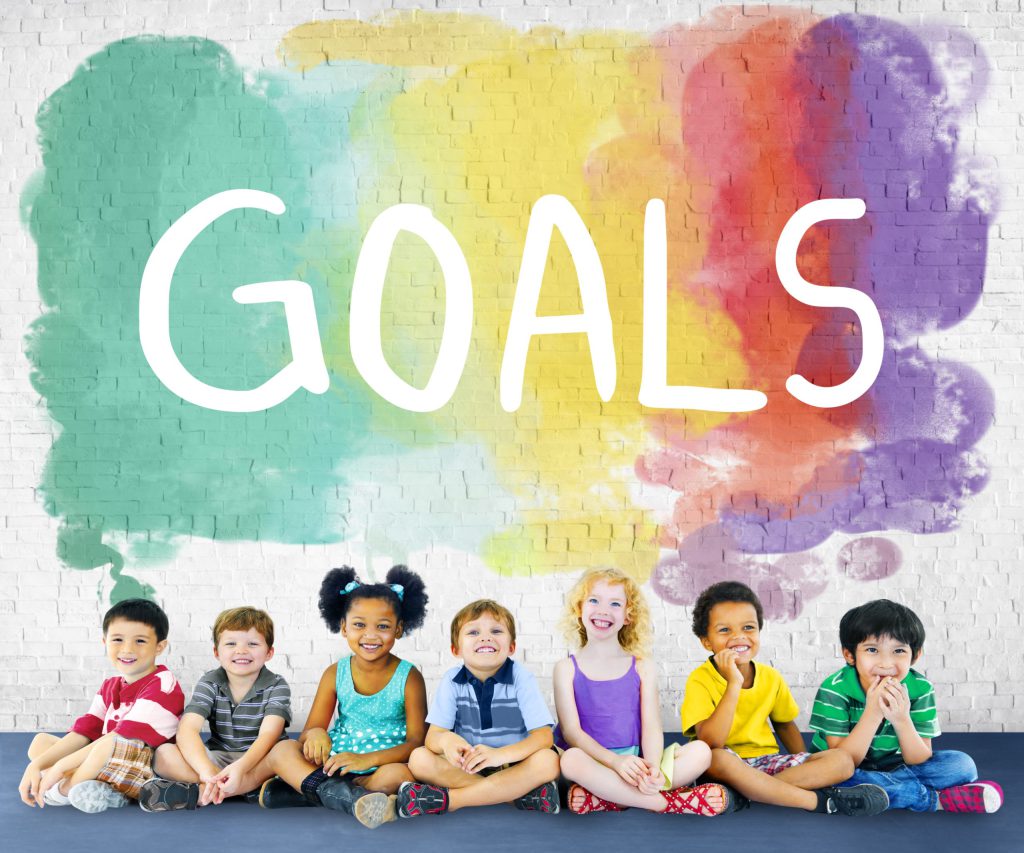
Helping kids learn to set goals can be a skill that serves them well in every area of life. However, it can also be a frustrating and discouraging experience for them! Even adults have great difficulty setting and following through on goals.
Goal setting is a cornerstone of student success, but not all goals are created equal. When goals feel meaningful and achievable, students are far more likely to stay engaged, persist through challenges, and take ownership of their growth. Elementary school counselors play a critical role in helping students move from vague wishes to motivating, actionable goals.
What Is a Goal?
A goal is something a student intentionally works toward over time. It is different from a wish because it requires effort, planning, and action. A well-defined goal answers three basic questions:
-
What do I want to achieve?
-
Why does it matter to me?
-
What steps will I take to get there?
When students understand that a goal is something they actively work for—not something that “just happens”—they begin to develop responsibility, resilience, and confidence.
Examples of Motivating vs. Non-Motivating Goals
Helping students distinguish between strong goals and weak goals is an important first lesson.
Examples of Motivating Goals (Student-Centered and Specific)
-
“I want to read one chapter book by myself by the end of the month.”
-
“I will raise my hand at least once each day during class discussions.”
-
“I want to learn all my multiplication facts by the end of the grading period.”
-
“I will practice calming strategies when I feel frustrated at school.”
These goals are motivating because they are:
-
Specific
-
Measurable
-
Within the student’s control
-
Personally meaningful
Examples of Non-Motivating Goals (Vague or Outside Student Control)
-
“I want to be better at school.”
-
“I want my teacher to like me more.”
-
“I want to get all A’s forever.”
-
“I want to never get in trouble again.”
These goals lack clarity, realistic structure, or personal ownership. Students often feel overwhelmed or discouraged by goals that feel too big, too vague, or dependent on others.
Why Motivation Matters in Goal Setting
Motivation is the engine that keeps students moving forward when effort becomes difficult. Without motivation, goals feel like chores. With motivation, goals become challenges students want to take on.
Motivating goals help students:
-
Build self-efficacy
-
Stay focused during setbacks
-
Practice persistence and self-regulation
-
Develop problem-solving skills
-
Take pride in personal growth
When students believe their effort matters, they are more willing to try, fail, adjust, and try again.
Specific Strategies to Help Motivate Student Goals
1. Celebrate Progress, Not Just the Final Outcome
Many students give up because they believe only the final result matters. Counselors can shift this mindset by consistently recognizing small wins.
Ways to celebrate progress:
-
Verbal encouragement during check-ins
-
Stickers, certificates, or classroom recognition
-
Reflection discussions on what has improved
-
Progress charts that show growth over time
Celebrating effort teaches students that growth is just as important as achievement.
2. Break Goals Into Small, Manageable Steps
Large goals can feel overwhelming to young students. Breaking a goal into smaller steps makes success feel reachable and builds momentum.
Example:
Instead of: “Improve reading”
Try:
-
Read 10 minutes each night
-
Track reading on a weekly log
-
Finish one book every two weeks
This approach:
-
Prevents frustration
-
Makes progress visible
-
Helps students experience early success
Students who see themselves succeeding in small ways are more likely to continue working toward larger goals.
3. Use Visual Reminders to Keep Goals Top of Mind
Visual cues help students remember what they are working toward, especially at the elementary level.
Effective visual reminders include:
-
Goal cards taped inside desks or binders
-
Vision boards with pictures and words
-
Progress thermometers or trackers on a wall
-
Journals where students draw or write about their goal
Visual reminders reinforce motivation by turning abstract goals into something students can see every day.
4. Introduce Accountability Partners
Accountability increases follow-through. When students know someone will check in with them, they are more likely to stay committed.
Accountability partners can be:
-
A peer buddy
-
A teacher
-
A counselor
-
A trusted adult at home
Partners can:
-
Ask about progress
-
Offer encouragement
-
Help problem-solve when students get stuck
-
Celebrate milestones together
This also builds social skills and responsibility.
5. Connect Goals to What Students Care About
Goals are most motivating when students see how they connect to their interests, values, or daily life. Counselors can help students reflect on:
-
What they enjoy
-
What they feel proud of
-
What feels hard but important
-
What they want to get better at
When a student feels ownership of a goal, motivation increases naturally.
How Elementary School Counselors Can Support Ongoing Motivation
-
Schedule regular goal check-ins
-
Use reflection questions:
“What worked?”
“What was hard?”
“What will you try next?” -
Normalize setbacks as part of learning
-
Model goal-setting behavior during lessons
-
Encourage students to adjust goals rather than abandon them
Motivation grows when students feel supported, not judged.
Teaching students how to create motivating goals is one of the most powerful life skills elementary school counselors can offer. When students learn how to set meaningful goals, track progress, celebrate effort, and stay accountable, they build habits that support both academic success and emotional growth.
Motivating goals shift students from passive learners to active participants in their own success.
About Lynne Watts
Lynne Watts is a veteran elementary school counselor and the creator of the Wyatt the Wonder Dog series. Her mission is to provide educators with engaging, child-friendly tools that build character and social-emotional skills in the classroom.

Creating a Culture of Creativity at School
Teaching Kids to Think Creatively: 7 Strategies for Elementary School Counselors

Think Outside the Box: Teaching Creative Thinking Skills to Elementary Students

Critical Thinking Activities for Elementary School Counselors
Critical Thinking: Helping Students Think, Not Just Answer

School Counselor Self-Care: 5 Essential Ways to Renew Your Energy and Avoid Burnout

Start Strong: Five Ways Counselors Plan for a Fantastic School Year

The Science of Encouragement: What Elementary School Counselors Need to Know About Positive and Negative Comments

Using Journals in Elementary School Counseling: Simple Strategies for Big Emotional Learning

Unlocking Resilience: How Curiosity Builds Stronger, Braver Elementary Students

Caring for the Caregiver: Self-Care Strategies for Counselors During Stressful Times

School Counselor Conference Success: Tips for Learning, Networking, and Growth

Journaling for Kids: Prompts that Build Emotional Growth and Confidence

The Burnout Fix for School Counselors: How to Set Healthy Boundaries Without Guilt

School Counseling and Burnout: Why Boundaries Matter More Than Ever

Prepared to Lead: Teaching Elementary Students the Power of Being Ready

Journaling : A Powerful School Counseling Tool for Emotional Growth and Self-Reflection

Why Boredom Is Good for Kids: A School Counselor’s Guide to Building Creativity and Independence
From Overwhelmed to Empowered: Practical Burnout Solutions for School Counselors

From ‘I Have to Get It Right’ to ‘I Can Try Again’: Tackling Perfectionism in Kids

Teaching Kids to Get Better at Getting Along

Improve Communication Skills and Resolve Conflicts with Kids

The Power of Storytelling in Elementary Counseling: Helping Kids Learn Life Skills That Stick

Change Happens: Teaching Elementary Students How to Adapt With Confidence
Teaching Integrity in Elementary School: How Reflective Questions Build Critical Thinking and Strong Character

Debunking the Biggest Myths About Self-Confidence (What Kids Really Need to Know)

Growing Hopeful Minds: How to Teach Optimism and Resilience

From “I Can’t” to “I’ll Try Again”: Growing Perseverance and Resilience

Anger Has a Message: Learning to Listen
Anger: Let It Go or Problem Solve?

Teaching Integrity: A Key to Building Resilience and Strong Character

Box Breathing for Kids: A Stress-Relief Strategy Every Elementary School Counselor Should Use