

Prepared to Lead: Teaching Elementary Students the Power of Being Ready
What Does It Mean to Be Prepared? Being prepared means thinking ahead, organizing what you need, and being ready to take action when the moment comes. For elementary students, this can look like: Bringing materials to class Completing assignments on time Mentally preparing for transitions or challenges Anticipating what comes next Preparation is more than…

From Overwhelmed to Empowered: Practical Burnout Solutions for School Counselors
School counseling is one of the most rewarding professions—but also one of the most emotionally demanding. Many elementary school counselors find themselves stretched thin, juggling student needs, administrative demands, and crisis response daily. Over time, this can lead to school counselor burnout, a state of emotional, mental, and physical exhaustion that impacts both effectiveness and…

From ‘I Have to Get It Right’ to ‘I Can Try Again’: Tackling Perfectionism in Kids
Perfectionism in children is often misunderstood. At first glance, it can look like motivation, high standards, or academic excellence. But beneath the surface, perfectionism in elementary students is frequently rooted in anxiety, fear of failure, and low self-confidence. For elementary school counselors, recognizing and addressing perfectionism early is critical. Left unchecked, it can impact academic…

Teaching Kids to Get Better at Getting Along
Teaching kids to get along together You’ve got two kids who disagree and fight constantly… Yet they seem attracted to each other like magnets… You’ve talked to them You’ve threatened them You’ve separated them… repeatedly. What’s the answer? We’ve all been in this situation before as educators and parents; two kids who just can’t get…

Improve Communication Skills and Resolve Conflicts with Kids
He’s making fun of me. She said she wasn’t my friend any more. She invited everyone to be in her club except me. He said I was weird. It hurt my feelings. Helping kids get along with each other can be quite a challenge. Some days it feels like all we do as parents and…

The Power of Storytelling in Elementary Counseling: Helping Kids Learn Life Skills That Stick
Why Young Children Learn Best Through Stories Elementary school counselors are always looking for effective, developmentally appropriate ways to teach social-emotional skills. Research and classroom experience consistently show that young children learn best through stories. Storytelling captures attention, builds emotional connection, and helps students internalize social-emotional learning (SEL) skills in ways lectures and worksheets simply…

Change Happens: Teaching Elementary Students How to Adapt With Confidence
Change is a natural and unavoidable part of life—and for elementary students, change happens more often than adults realize. New classrooms, shifting friendships, family changes, and growing responsibilities can feel overwhelming without guidance. Elementary school counselors play a critical role in helping students understand that change is not something to fear, but something they can…
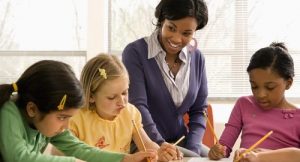
Teaching Integrity in Elementary School: How Reflective Questions Build Critical Thinking and Strong Character
Integrity is one of the most important — and most teachable — social-emotional skills in elementary school. For young students, integrity is not about being perfect. It is about learning how to pause, think, and make choices that align with their values, even when situations feel uncomfortable or confusing. Elementary school counselors play a critical…

Debunking the Biggest Myths About Self-Confidence (What Kids Really Need to Know)
Self-confidence is often talked about as if it’s something students either have or don’t have. In reality, self-confidence is a skill that can be taught, practiced, and strengthened over time. Unfortunately, many students (and adults) believe myths about confidence that actually undermine resilience, risk-taking, and growth. Elementary school counselors are uniquely positioned to help students…

What People Say About The Wyatt Books
kind words from educators, parents, and kids!
"Going to kindergarten is a milestone for everyone and the beginning of the year is usually filled with excitement and angst. Wyatt the Wonder Dog addresses the typical concerns that most children have in a sweet and relatable way. Kindergarten really is fun!"
"Wyatt the Wonder Dog Learns about Teamwork is another great example of helping kids improve their social skills. It teaches kids the power of working together and how much better we are when we work as a community"
"[Wyatt the Wonder Dog Learns about Mindset] This book is funny! It's dogs doing things that only people do! I learned to try new things."
Wyatt the Wonder Dog Learns about Giving is a delightful book that teaches kids (and reminds adults, as well) that generosity is possible no matter how old, young, rich or poor we are. This is a powerful message and an engaging story that every child will love.
~Jen McDonough, author of Living Beyond Rich
Wyatt the Wonder Dog Learns about Friendship teaches not only friendship and making connections, but also how to become successful at problem solving. Great for school counselors, teachers and families. Bravo!
Sharissa Shatten~ School Counselor
Feeling left out? Need help getting along with friends? Wyatt the Wonder Dog Learns about Cooperation weaves important life skills into engaging story telling. Join Wyatt as he learns how to be the superhero in his group of friends by using cooperation and compromise.
~MaryFrances Gonzalez MACCCSLP
Have you ever had a friend that did some things that you disagreed with? Wyatt does and he doesn't know what to do about it. Join Wyatt as he learns that being honest with his friend is the best and only way to solve the problem. A great story!
~Lynn Hughes M.Ed. school counselor
If you've ever lost your lunch money or misplaced your favorite toy, you can relate to Wyatt the Wonder Dog. This adorable story offers simple, helpful ideas that kids and parents can use to make life less stressful and more fun!
~Erin K. Casey, author
